
Planning & Legal Requirements For Demolition In London
Understanding the importance of demolition permissions in London is crucial for any construction project. This guide outlines the notification requirements, compliance with local regulations, and special considerations for conservation areas. Whether you're in Barking and Dagenham, Barnet, or Westminster, it's essential to navigate these legal standards to ensure a smooth demolition process. Learn about the necessary steps to inform local authorities and the specific guidelines in neighborhoods like Greenwich and Hackney. Stay informed to prevent delays and penalties in your project.
Understanding Demolition Permissions in London Boroughs
Understanding demolition permissions in London is a crucial step for any construction project. Whether you’re located in Barking and Dagenham, Barnet, or Westminster, it is essential to navigate local regulations effectively.
Compliance not only ensures adherence to legal standards but also minimizes potential disruptions in the community.
Notification Requirements
Before initiating any demolition work, it’s mandatory to notify the building control department at least six weeks in advance. This allows local authorities to assess the proposed plans and confirms that they comply with the required safety and operational standards.
Failure to notify can result in delays or penalties, making it imperative to remain informed of the relevant stipulations across different boroughs such as Brent, Bromley, and Camden.
Special Considerations in Conservation Areas
In certain neighborhoods, especially conservation areas or during projects involving listed buildings, stricter rules apply to protect their historical value. Thus, consulting with the local planning authority is essential.
Areas like Greenwich, Haringey, and Hackney often have additional guidelines that facilitate smoother demolition processes while upholding community standards. Always verify the specific requirements to prevent overlooking vital regulations during your planning stages.

Essential Steps for Demolition Planning in London
Understanding Local Authority Requirements
In London, the first critical step in demolition planning is consulting your local planning authority. Each council has specific requirements tailored to different projects. Engaging them early in your planning process ensures you meet all necessary regulations and avoid any surprises down the line.
Submitting Required Applications
If your demolition project is substantial or involves certain categories, such as pubs, applying for full planning permission is necessary. For projects situated in conservation areas, a specialized application for relevant demolition in a conservation area is often required unless specific exceptions apply. Listed buildings involve a distinct application process due to their protections, making it vital to seek the appropriate permissions before proceeding.
Compliance with Build Regulations
Demolition work must adhere to building regulations, which are enforced by your local authority. Prior to commencing any work, you are required to provide at least six weeks’ notice to the local authority’s building control department, as mandated by the Building Act 1984. This ensures that all safety measures are in place and that the work complies with local standards. Additionally, be prepared for the local authority to impose conditions that ensure ongoing safety and compliance throughout the demolition process.
Keep in mind that for projects in conservation areas and those involving listed buildings, restrictions are tightened. Consent is typically harder to obtain for structures that contribute positively to the area’s character, highlighting the importance of thorough pre-demolition planning.
What is Planning Permission?
Planning permission is a legal requirement that must be obtained before commencing certain types of building work. It ensures that any proposed development is acceptable in terms of land use, environment, and overall community impact. In most cases, you will need planning permission from your local authority, particularly for developments exceeding specific size limits or in sensitive areas.
When Do You Need Planning Permission?
You must seek planning permission if your project is substantial in size or if it affects the local landscape. Factors such as the building’s size, its location, and intended usage all play significant roles in determining whether planning permission is necessary. For instance, extensions, new constructions, or significant renovations typically require formal approval. It is crucial to clarify these requirements with your local authority to navigate the planning process effectively.
When Is Planning Permission Not Required?
In some situations, planning permission may not be needed. A few examples include small buildings (those under 50m³), internal modifications like demolishing non-load-bearing walls, or if a demolition notice has been issued under the Housing Act 1985. Additionally, the Building Act 1984 mandates that prior to any demolition work, local authorities must be given at least six weeks’ notice. Understanding these exceptions can help streamline your building process and avoid unnecessary paperwork.
Understanding Pre-Demolition Surveys
Before any demolition can take place, conducting pre-demolition surveys is paramount. These surveys serve as a comprehensive evaluation of the building and site, identifying the structure, construction materials, and any potential environmental issues. Professionals assess the building’s current condition to create a tailored demolition plan that minimizes risks and ensures safety.
Hazardous Material Assessment
One of the critical components of site preparation is the hazardous material survey. It involves testing for substances such as asbestos, oil, or other contaminants. This step is crucial, as it ensures that any hazardous materials are safely identified and removed prior to demolition. Failure to address these hazards can pose significant risks to workers and the surrounding community, which is why a thorough assessment is non-negotiable.
Utility Disconnection and Structural Assessment
Additionally, guaranteeing the safe disconnection and isolation of all utilities, including electricity, gas, and water, is essential to avoid accidents during demolition. Once utilities are safely managed, a structural engineering assessment is conducted to ascertain the integrity of the building. This assessment helps to evaluate whether any parts of the structure can be salvaged, ensuring a responsible approach to demolition and maximizing safety throughout the process.
Introduction to Demolition Planning
When embarking on a demolition project, having a comprehensive demolition plan is crucial. This plan serves as the blueprint for managing safety protocols, resource allocation, and project timelines. A well-structured demolition strategy not only ensures the safety of workers and surrounding properties but also streamlines the entire process.
Waste Management and Recycling Considerations
A key component of the demolition plan is the management of waste and salvageable materials. It is essential to consider the safe disposal of all demolition waste, including debris that can be hazardous. The plan should detail the methods for disposal and highlight opportunities for recycling materials. By prioritizing waste management, you not only comply with regulations but also promote sustainability by minimizing landfill contributions.
Securing the Demolition Site
Site security is another critical aspect of a successful demolition plan. By establishing a secure site compound, you can control access to the demolition area and protect nearby properties. Implementing safety measures, such as fencing and signage, enhances safety for both workers and the public. This security infrastructure also helps to prevent unauthorized entry and potential accidents.
In conclusion, developing a comprehensive demolition plan involves careful consideration of safety protocols, waste management, and site security. By following these steps, you ensure a well-organized and successful demolition project, safeguarding both workers and the environment.

Planning and Legal Requirements
Understanding demolition permissions in London is a crucial step for any construction project. Whether you’re located in Barking and Dagenham, Barnet, or Westminster, it is essential to navigate local regulations effectively.

Section 80 Demolition Notice
This notice must be submitted at least six weeks prior to the planned demolition work. It ensures that the local authorities are aware of the upcoming dismantling and can assess its implications on the surrounding area.

Unsafe Building Demolition S79
Failure to comply with these requirements can lead to significant consequences, including the local council undertaking the necessary work themselves. In such scenarios, property owners may find themselves liable for the costs incurred
House Demolition Costs
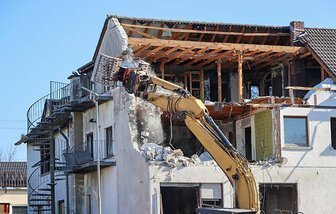
Several factors contribute to the final quote for demolition projects. Primarily, the size of the property plays a crucial role. Larger homes often necessitate more resources and labor, leading to higher costs.

Pre-Demolition Surveys
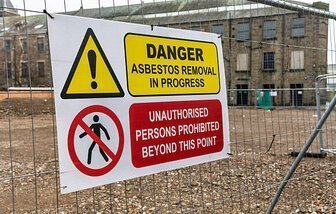
A demolition survey is a crucial inspection that takes place prior to the demolition or substantial refurbishment of a building. Its primary goal is to locate and identify any asbestos-containing materials (ACMs) present within the structure.
Building Demolition Costs
When budgeting for demolition, it’s vital to factor in additional expenses that may arise. Costs related to asbestos removal, which can be a significant concern in older buildings, must be included.
Strip-Out Demolition Costs in London
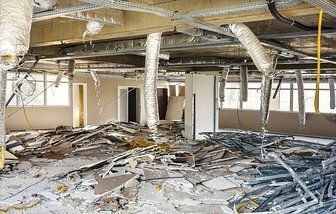
Strip-out demolition is a crucial step in the renovation process. It involves the careful removal of fixtures and finishes from a building, preparing it for further construction
Pre-Demolition Process
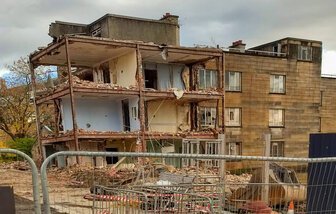
Discover the essential steps involved in the demolition process in London. Understand the pre-demolition requirements, including the need for a survey to identify hazardous materials
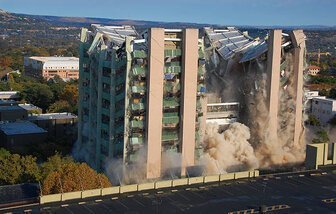
Demolition Methods
Demolition in London is a complex task that requires a variety of methods tailored to the specific needs of urban environments. The techniques used can vary widely, primarily influenced by the type of structure and its surrounding area.
When do the CDM Regulations apply?
The Construction (Design and Management) Regulations 2015 (CDM 2015) are vital for ensuring health and safety in demolition projects across London. These regulations impose legal duties
Managing Asbestos In Demolition
Understanding asbestos management is crucial for safe demolition projects in London. This involves a four-step process: surveying, notification, removal, and disposal of asbestos-containing materials (ACMs). Compliance with these regulations
Managing Waste In Demolition
Explore the critical aspects of demolition waste management, focusing on the assessment, segregation, processing, and responsible disposal of materials generated during demolition projects. Learn how to maximize recycling and reuse
Ready to start your project?
Let's Work Together
If you’re looking to initiate a project, you’re in the right place. To get started, please complete the form provided below. Share your project details, and our dedicated team will review your requirements promptly. Our goal is to offer tailored solutions that cater specifically to your needs.
Once we receive your submission, you will receive a confirmation email. We encourage you to check all your email boxes to ensure you don’t miss our response. Our team is committed to promptly reviewing your project details, whether it involves a small-scale endeavor or a large-scale development.
Direct Submissions for Faster Quotes
If you already have a project in mind and would like to receive a direct price quote, please feel free to send us your project documents and any relevant photographs at projects@completeuk.uk. We will meticulously evaluate these documents and provide you with a competitive quote along with a clear timelines for the entire process—from inception to completion.