
Understanding the Importance of Demolition Surveys for Safety
A demolition survey is an essential inspection required before the demolition or refurbishment of buildings, especially those constructed before 2000 in the UK. This survey identifies asbestos-containing materials (ACMs) which can be hazardous when disturbed. Conducting a thorough demolition survey protects workers and the surrounding community from severe health risks associated with asbestos exposure. Ensure that qualified professionals carry out this crucial assessment to adhere to legal requirements and prioritize safety during demolition projects.
What is a Demolition Survey?
A demolition survey is a crucial inspection that takes place prior to the demolition or substantial refurbishment of a building. Its primary goal is to locate and identify any asbestos-containing materials (ACMs) present within the structure. This procedure is legally mandated in the UK for buildings constructed before the year 2000.
Why are Demolition Surveys Essential?
The presence of ACMs poses significant health risks. When disturbed, these materials can release harmful fibres into the air, leading to serious diseases such as asbestosis and lung cancer.
Conducting a thorough demolition survey is critical as it ensures that all ACMs are safely identified and removed before any structural work begins. This not only adheres to legal requirements but also safeguards workers and the surrounding community.
The Process and Key Considerations
During a demolition survey, qualified professionals will assess the building comprehensively. They will examine materials such as insulation, roofing, flooring, and other components that may contain asbestos.
Homeowners and contractors must ensure that the survey is carried out by trained and accredited specialists to comply with health and safety regulations. By prioritizing safety through a detailed demolition survey, stakeholders can significantly mitigate the risks associated with asbestos exposure.
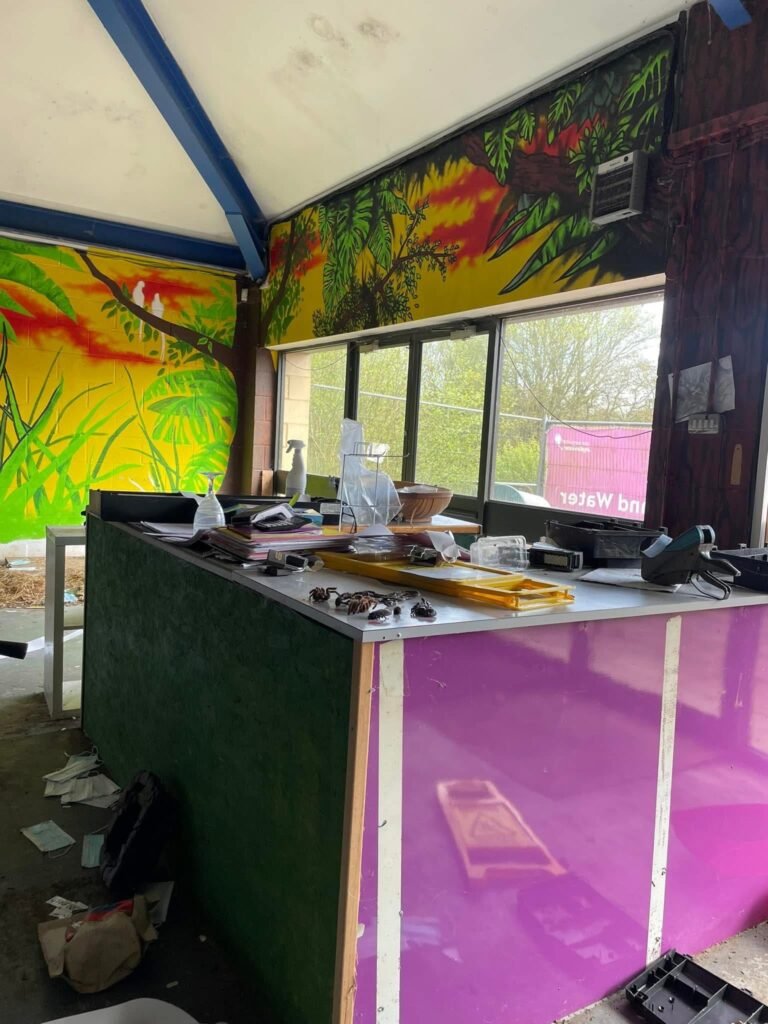
Essential Components of a Demolition Survey In London
Scope and Intrusion of the Survey
The scope of a demolition survey is comprehensive. It often requires intrusive inspection methods to access hard-to-reach places, such as behind walls, under floorboards, or within service risers. In cases where a full demolition of a building is planned, the entire structure must be surveyed to ensure all ACMs are accounted for, thereby promoting a safe working environment.
When Is a Demolition Survey Needed?
Timing is vital when it comes to demolition surveys. These assessments should be conducted before any major refurbishment that involves disturbing the building fabric, which includes activities such as removing walls, doors, or performing a loft conversion. A survey is also mandatory before any complete demolition takes place, ensuring that all hazards associated with asbestos are mitigated.
Qualifications of Surveyors
It is essential that a demolition survey is carried out by a competent and experienced surveyor. A qualified professional not only understands the complexities of locating ACMs but also possesses the necessary training to conduct the survey safely. Ideally, the surveyor should be accredited by recognized bodies, such as the United Kingdom Accreditation Service (UKAS), ensuring a high standard of service and compliance.
Introduction to Asbestos Surveys
Asbestos surveys are crucial for identifying the presence of asbestos-containing materials (ACMs) in buildings. These materials pose significant health risks, making inspections and assessments necessary for safety. This article outlines the key stages in an asbestos survey process.
Inspection of the Premises
The first step in the asbestos survey is the inspection. During this phase, a qualified surveyor thoroughly examines all accessible areas of the building to identify potential ACMs. They look for materials that may contain asbestos, such as insulation, roofing, and flooring products. The surveyor’s trained eye is essential in spotting materials that may not be obvious to the untrained observer.
Sampling and Analysis
Once suspect materials are identified, the next step involves sampling. Samples of the suspected ACMs are collected by the surveyor to confirm their asbestos content. These samples are then sent to a UKAS-accredited laboratory for thorough analysis. This laboratory testing is vital as it determines the type of asbestos present and the extent of the contamination.
Comprehensive Reporting
The final stage of the asbestos survey process is the report generation. After analysis is complete, the surveyor compiles a detailed report outlining the location, type, and extent of any ACMs found. This report is crucial for property owners and stakeholders to make informed decisions regarding asbestos management or removal.
Understanding the Risks of Asbestos
Asbestos is a hazardous material that was commonly used in construction due to its insulating properties. However, it is now well-known that asbestos exposure can lead to severe health issues, including lung cancer and mesothelioma. When demolition work is undertaken, there is a significant risk of asbestos fibers being released into the air if they are present in the building. This potential hazard necessitates a thorough understanding of the necessity of asbestos surveys prior to any demolition or refurbishment efforts.
The Role of Asbestos Surveys
Asbestos surveys play a crucial role in ensuring the safety of the demolition process. These surveys identify the presence of asbestos and outline a safe removal plan. By conducting a comprehensive survey, contractors can ascertain whether any hazardous materials are present and formulate a strategy that minimizes risks during the demolition process. This is essential not only for the safety of the workers directly involved but also for the surrounding community.
Protecting Workers and the Public
The implementation of asbestos surveys before demolition protects both workers and the public. By establishing a clear and safe removal plan, potential exposure to airborne asbestos fibers can be significantly reduced. This proactive approach is vital in preventing the inhalation of harmful substances that could lead to devastating health consequences. It is imperative that demolition companies prioritize these surveys to ensure a safe working environment for everyone involved.

Planning and Legal Requirements
Understanding demolition permissions in London is a crucial step for any construction project. Whether you’re located in Barking and Dagenham, Barnet, or Westminster, it is essential to navigate local regulations effectively.

Section 80 Demolition Notice
This notice must be submitted at least six weeks prior to the planned demolition work. It ensures that the local authorities are aware of the upcoming dismantling and can assess its implications on the surrounding area.

Unsafe Building Demolition S79
Failure to comply with these requirements can lead to significant consequences, including the local council undertaking the necessary work themselves. In such scenarios, property owners may find themselves liable for the costs incurred
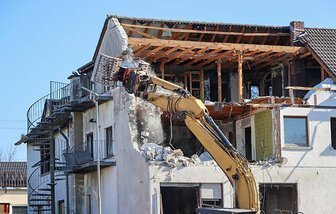
House Demolition Costs
Several factors contribute to the final quote for demolition projects. Primarily, the size of the property plays a crucial role. Larger homes often necessitate more resources and labor, leading to higher costs.

Pre-Demolition Surveys
A demolition survey is a crucial inspection that takes place prior to the demolition or substantial refurbishment of a building. Its primary goal is to locate and identify any asbestos-containing materials (ACMs) present within the structure.
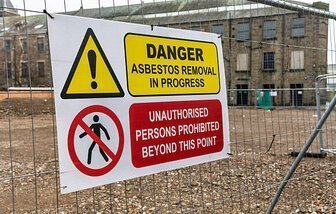
Building Demolition Costs
When budgeting for demolition, it’s vital to factor in additional expenses that may arise. Costs related to asbestos removal, which can be a significant concern in older buildings, must be included.
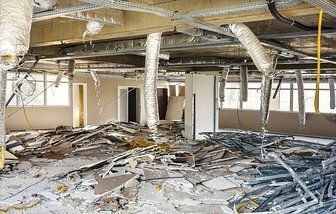
Strip-Out Demolition Costs in London
Strip-out demolition is a crucial step in the renovation process. It involves the careful removal of fixtures and finishes from a building, preparing it for further construction
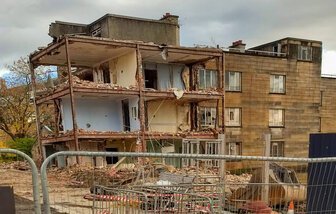
Pre-Demolition Process
Discover the essential steps involved in the demolition process in London. Understand the pre-demolition requirements, including the need for a survey to identify hazardous materials
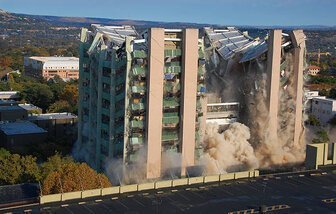
Demolition Methods
Demolition in London is a complex task that requires a variety of methods tailored to the specific needs of urban environments. The techniques used can vary widely, primarily influenced by the type of structure and its surrounding area.
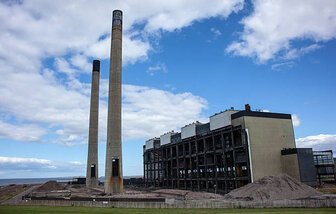
When do the CDM Regulations apply?
The Construction (Design and Management) Regulations 2015 (CDM 2015) are vital for ensuring health and safety in demolition projects across London. These regulations impose legal duties
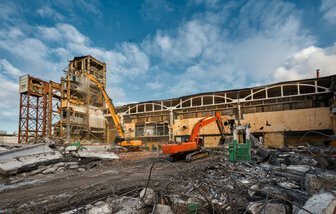
Managing Asbestos In Demolition
Understanding asbestos management is crucial for safe demolition projects in London. This involves a four-step process: surveying, notification, removal, and disposal of asbestos-containing materials (ACMs). Compliance with these regulations
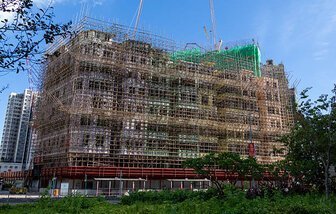
Managing Waste In Demolition
Explore the critical aspects of demolition waste management, focusing on the assessment, segregation, processing, and responsible disposal of materials generated during demolition projects. Learn how to maximize recycling and reuse
Ready to start your project?
Let's Work Together
If you’re looking to initiate a project, you’re in the right place. To get started, please complete the form provided below. Share your project details, and our dedicated team will review your requirements promptly. Our goal is to offer tailored solutions that cater specifically to your needs.
Once we receive your submission, you will receive a confirmation email. We encourage you to check all your email boxes to ensure you don’t miss our response. Our team is committed to promptly reviewing your project details, whether it involves a small-scale endeavor or a large-scale development.
Direct Submissions for Faster Quotes
If you already have a project in mind and would like to receive a direct price quote, please feel free to send us your project documents and any relevant photographs at projects@completeuk.uk. We will meticulously evaluate these documents and provide you with a competitive quote along with a clear timelines for the entire process—from inception to completion.