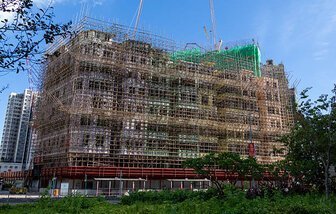
Understanding demolition services is essential for property owners and developers in London. This guide covers the two main types of demolition methods—selective and total—and key considerations for a successful demolition project. From securing necessary permits to minimizing environmental impact, learn how to effectively plan and execute demolition projects for both residential and commercial properties.
A Comprehensive Introduction to Demolition Services in London
In the ever-evolving landscape of urban development, demolition services play a crucial role, particularly in London. These services encompass a range of tasks aimed at dismantling structures safely and efficiently.
Whether it’s for renovation, construction, or safety concerns, knowing the basics of demolition methods can greatly assist property owners and developers alike.
Types of Demolition Methods
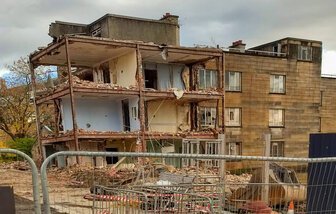
When considering demolition services, it’s essential to understand the two primary types: selective and total demolition. Selective demolition involves removing specific parts of a building while preserving others, which can be beneficial for renovations.
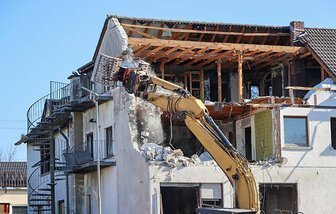
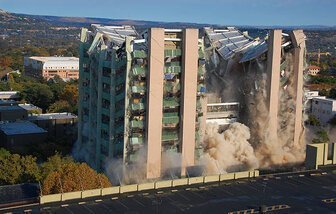
In contrast, total demolition entails completely tearing down a structure, typically when it is deemed unsafe or beyond repair. Understanding these methods can help maximize the effectiveness of your project.
Key Considerations for Successful Demolition
Embarking on a demolition project requires careful planning and adherence to protocols. One of the first steps is securing the necessary permits, as regulatory compliance is vital.
Additionally, minimizing environmental impact should be a priority; this includes managing waste disposal and recycling materials when possible.
By paying attention to these key considerations, individuals can ensure a successful demolition process for both residential and commercial properties in London.
Planning and Legal Requirements
Understanding demolition permissions in London is a crucial step for any construction project. Whether you’re located in Barking and Dagenham, Barnet, or Westminster, it is essential to navigate local regulations effectively.
This notice must be submitted at least six weeks prior to the planned demolition work. It ensures that the local authorities are aware of the upcoming dismantling and can assess its implications on the surrounding area.
Failure to comply with these requirements can lead to significant consequences, including the local council undertaking the necessary work themselves. In such scenarios, property owners may find themselves liable for the costs incurred
Several factors contribute to the final quote for demolition projects. Primarily, the size of the property plays a crucial role. Larger homes often necessitate more resources and labor, leading to higher costs.
A demolition survey is a crucial inspection that takes place prior to the demolition or substantial refurbishment of a building. Its primary goal is to locate and identify any asbestos-containing materials (ACMs) present within the structure.
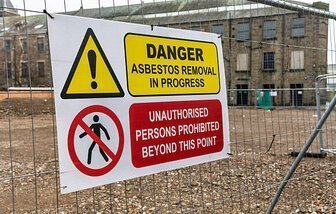
When budgeting for demolition, it’s vital to factor in additional expenses that may arise. Costs related to asbestos removal, which can be a significant concern in older buildings, must be included.
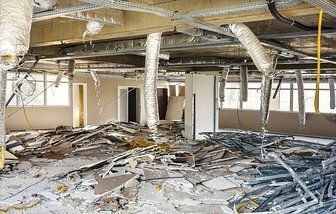
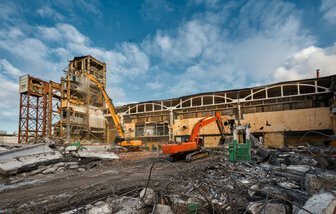
Strip-out demolition is a crucial step in the renovation process. It involves the careful removal of fixtures and finishes from a building, preparing it for further construction
Discover the essential steps involved in the demolition process in London. Understand the pre-demolition requirements, including the need for a survey to identify hazardous materials
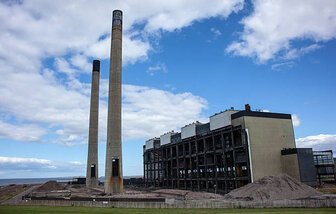
Demolition in London is a complex task that requires a variety of methods tailored to the specific needs of urban environments. The techniques used can vary widely, primarily influenced by the type of structure and its surrounding area.
The Construction (Design and Management) Regulations 2015 (CDM 2015) are vital for ensuring health and safety in demolition projects across London. These regulations impose legal duties
Understanding asbestos management is crucial for safe demolition projects in London. This involves a four-step process: surveying, notification, removal, and disposal of asbestos-containing materials (ACMs). Compliance with these regulations
Explore the critical aspects of demolition waste management, focusing on the assessment, segregation, processing, and responsible disposal of materials generated during demolition projects. Learn how to maximize recycling and reuse
If you’re looking to initiate a project, you’re in the right place. To get started, please complete the form provided below. Share your project details, and our dedicated team will review your requirements promptly. Our goal is to offer tailored solutions that cater specifically to your needs.
Once we receive your submission, you will receive a confirmation email. We encourage you to check all your email boxes to ensure you don’t miss our response. Our team is committed to promptly reviewing your project details, whether it involves a small-scale endeavor or a large-scale development.
Direct Submissions for Faster Quotes
If you already have a project in mind and would like to receive a direct price quote, please feel free to send us your project documents and any relevant photographs at projects@completeuk.uk. We will meticulously evaluate these documents and provide you with a competitive quote along with a clear timelines for the entire process—from inception to completion.