
Understanding CDM 2015 Regulations for Demolition Projects in London
The Construction (Design and Management) Regulations 2015 (CDM 2015) are vital for ensuring health and safety in demolition projects across London. These regulations impose legal duties on all parties involved, promoting collaboration and communication to mitigate risks. Understanding compliance is essential, with a focus on regular audits, risk assessments, and training programs to enhance safety practices within demolition teams. Learn how CDM 2015 can help create a safer working environment for everyone involved in demolition efforts, regardless of the scale or duration of the project.
Introduction to CDM 2015 Regulations
The Construction (Design and Management) Regulations 2015, commonly referred to as CDM 2015, play a crucial role in ensuring the health and safety of all demolition projects in London.
These regulations apply to every demolition effort, regardless of its scale or duration. By establishing specific legal duties, CDM 2015 aims to promote a safer working environment for all stakeholders involved.
Key Legal Duties Under CDM 2015
In adherence to CDM 2015, various parties within a demolition project are assigned distinct responsibilities. This includes clients, designers, and contractors who must cooperate to identify and mitigate potential risks throughout the project.
The primary focus is on fostering effective communication and collaboration to maximize safety standards on-site.
Ensuring Compliance and Safety
To maintain compliance with CDM 2015, it is vital for all involved to understand their legal duties and the implications of non-compliance. Regular safety audits and risk assessments should be conducted to ensure that all aspects of health and safety are addressed.
Additionally, implementing proper training and awareness programs can significantly enhance safety practices within demolition teams.
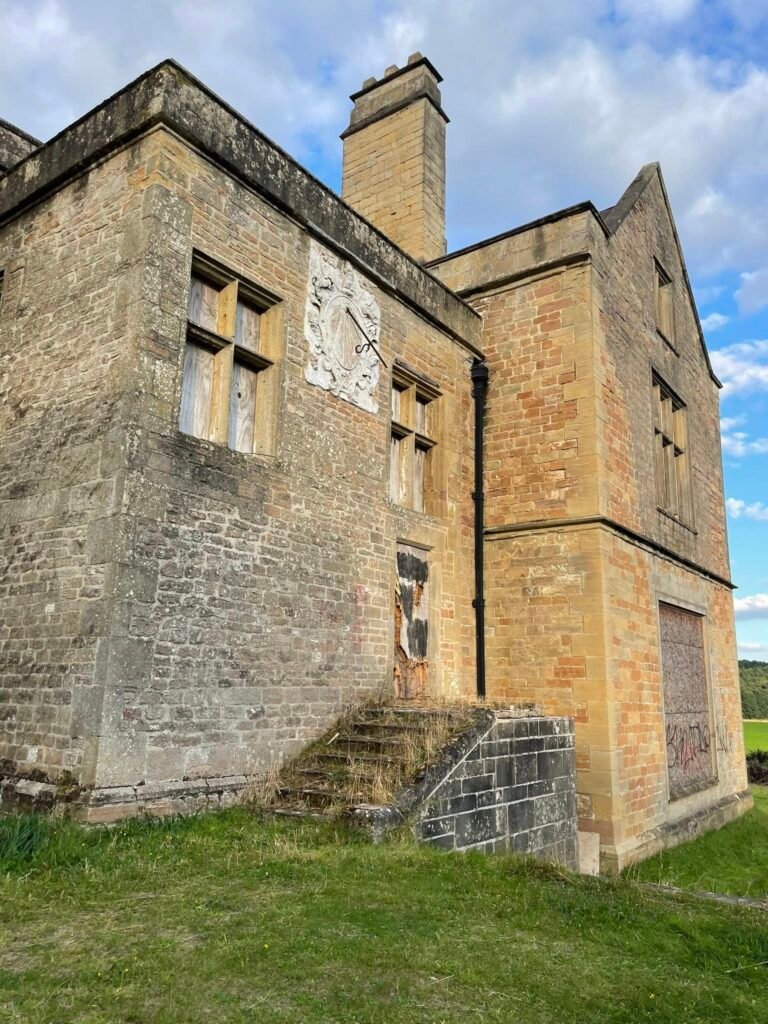
Key Requirements Under CDM 2015 for Demolition Projects
The Construction (Design and Management) Regulations 2015, commonly referred to as CDM 2015, outline crucial responsibilities to ensure the safety of demolition work. It emphasizes that all demolition activities must be meticulously planned to minimize risks and ensure safety for all involved. The core principle aims to reduce danger to the lowest level reasonably practicable.
Client Duties and Arrangements
The client, or the individual commissioning the work, holds significant responsibility under CDM 2015. They must establish suitable arrangements for managing the project. This includes allocating sufficient time and resources for the demolition in question, along with the appointment of a Principal Designer (PD) and a Principal Contractor (PC) in writing, especially when multiple contractors are involved. This collaborative approach is fundamental to effective project management and safety assurance.
Roles of Principal Designer and Principal Contractor
The roles of the PD and PC are critical in the context of demolition work. The PD is responsible for managing health and safety during the pre-construction phase, focusing on risk assessments and strategy formulation. Once the project enters the demolition phase, the PC takes charge of health and safety management. Both roles must cooperate and coordinate diligently, ensuring that they communicate potential risks effectively. Furthermore, a detailed Construction Phase Plan must be prepared by the Principal Contractor before work commences, outlining the strategies for managing risks throughout the project.
Understanding the Pre-Demolition Phase
The pre-demolition phase is essential for ensuring safe and efficient demolition of structures. A thorough site survey is a critical step in this preparation process. Conducting a detailed survey enables the identification of potential hazards, including the nature and condition of the structure, any confined spaces, cellars, and the proximity of adjoining properties.
Assessing Hazardous Substances
Particular attention must be given to hazardous materials present on the site. Asbestos, lead, and contaminated land are common concerns that necessitate specialized assessments. A refurbishment or demolition asbestos survey conducted by a competent person is not merely advisable but mandatory. This requires a professional approach, with the removal handled exclusively by specialist contractors trained in managing such materials safely.
Ensuring Utility Disconnections and Method Statements
Before any demolition work commences, it is crucial to locate and safely disconnect all existing utilities, such as gas, water, and electricity. Failure to do so can pose serious risks to workers and the surrounding community. Additionally, a detailed method statement should be prepared, outlining the sequence of work, equipment needed, structural stability measures, and emergency procedures. This ensures that all team members are informed of the protocols and safety measures required throughout the demolition process.
Competence and Supervision on Site
During the execution phase of demolition projects, it is critical that all workers possess the necessary competence for their respective roles. Each worker should receive appropriate training and instruction to ensure safety and efficiency. A competent supervisor plays an essential role in controlling the demolition process, overseeing the adherence to safety protocols and regulations, and ensuring that the team operates effectively.
Site Security Measures
Proper site security is paramount to safeguard against unauthorized access. Establishing exclusion zones around the demolition area protects not only the workers but also the public from potential hazards like falling debris or structural collapses. These precautionary measures contribute to a safe working environment and demonstrate a commitment to health and safety standards throughout the demolition process.
Welfare Facilities and Environmental Considerations
From the onset of demolition works, it is essential to provide suitable welfare facilities. These include sanitary conveniences, washing stations, and rest areas, which are crucial for maintaining worker morale and health. Additionally, effective waste management and pollution control strategies must be implemented. Demolition waste is subject to a duty of care, requiring correct classification, storage, and disposal. Measures to control noise and dust emissions are also necessary, often complying with specific time restrictions set by local authorities, particularly in London. These regulations are vital for minimizing the environmental impact of demolition activities.
Notification to Local Authority Building Control
Before commencing any demolition work, it is essential to provide formal notice to your local authority’s building control department. This notification must be made at least six weeks prior to the start date of the demolition. This requirement is in place to ensure that all safety regulations and procedures are adhered to, ultimately protecting both workers and the public during the demolition process.
Health and Safety Executive (HSE) Requirements
In addition to notifying local authorities, the project must also be communicated to the Health and Safety Executive (HSE). This is done through the online F10 form, which is vital if the demolition work is expected to last more than 30 working days and will involve more than 20 workers operating simultaneously or result in over 500 person-days of work. Compliance with these regulations helps to ensure that adequate health and safety measures are in place throughout the project.
Asbestos Removal Considerations
Notification may still be required in cases involving notifiable asbestos removal. Asbestos is a hazardous material, and specific protocols must be followed to mitigate any risks associated with its removal. If your demolition project involves such work, ensure that all necessary notifications are given well in advance, keeping both health and safety in mind.

Planning and Legal Requirements
Understanding demolition permissions in London is a crucial step for any construction project. Whether you’re located in Barking and Dagenham, Barnet, or Westminster, it is essential to navigate local regulations effectively.

Section 80 Demolition Notice
This notice must be submitted at least six weeks prior to the planned demolition work. It ensures that the local authorities are aware of the upcoming dismantling and can assess its implications on the surrounding area.

Unsafe Building Demolition S79
Failure to comply with these requirements can lead to significant consequences, including the local council undertaking the necessary work themselves. In such scenarios, property owners may find themselves liable for the costs incurred
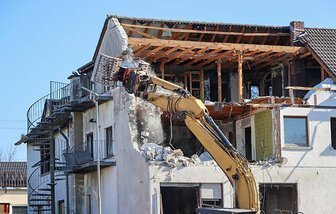
House Demolition Costs
Several factors contribute to the final quote for demolition projects. Primarily, the size of the property plays a crucial role. Larger homes often necessitate more resources and labor, leading to higher costs.

Pre-Demolition Surveys
A demolition survey is a crucial inspection that takes place prior to the demolition or substantial refurbishment of a building. Its primary goal is to locate and identify any asbestos-containing materials (ACMs) present within the structure.
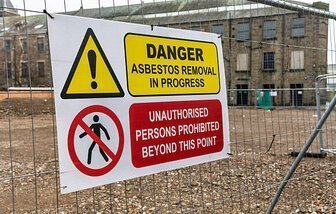
Building Demolition Costs
When budgeting for demolition, it’s vital to factor in additional expenses that may arise. Costs related to asbestos removal, which can be a significant concern in older buildings, must be included.
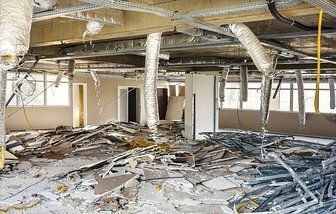
Strip-Out Demolition Costs in London
Strip-out demolition is a crucial step in the renovation process. It involves the careful removal of fixtures and finishes from a building, preparing it for further construction
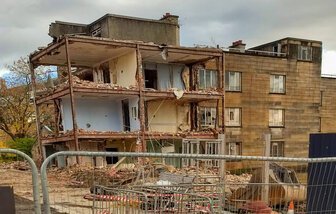
Pre-Demolition Process
Discover the essential steps involved in the demolition process in London. Understand the pre-demolition requirements, including the need for a survey to identify hazardous materials
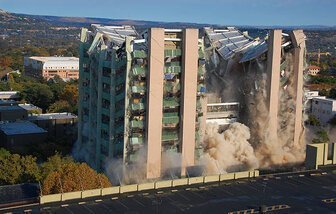
Demolition Methods
Demolition in London is a complex task that requires a variety of methods tailored to the specific needs of urban environments. The techniques used can vary widely, primarily influenced by the type of structure and its surrounding area.
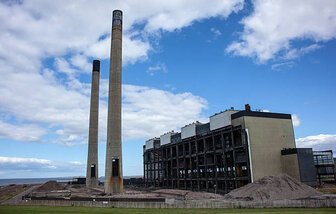
When do the CDM Regulations apply?
The Construction (Design and Management) Regulations 2015 (CDM 2015) are vital for ensuring health and safety in demolition projects across London. These regulations impose legal duties
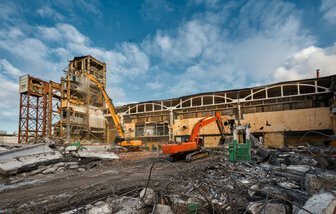
Managing Asbestos In Demolition
Understanding asbestos management is crucial for safe demolition projects in London. This involves a four-step process: surveying, notification, removal, and disposal of asbestos-containing materials (ACMs). Compliance with these regulations
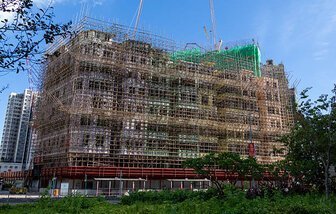
Managing Waste In Demolition
Explore the critical aspects of demolition waste management, focusing on the assessment, segregation, processing, and responsible disposal of materials generated during demolition projects. Learn how to maximize recycling and reuse
Ready to start your project?
Let's Work Together
If you’re looking to initiate a project, you’re in the right place. To get started, please complete the form provided below. Share your project details, and our dedicated team will review your requirements promptly. Our goal is to offer tailored solutions that cater specifically to your needs.
Once we receive your submission, you will receive a confirmation email. We encourage you to check all your email boxes to ensure you don’t miss our response. Our team is committed to promptly reviewing your project details, whether it involves a small-scale endeavor or a large-scale development.
Direct Submissions for Faster Quotes
If you already have a project in mind and would like to receive a direct price quote, please feel free to send us your project documents and any relevant photographs at projects@completeuk.uk. We will meticulously evaluate these documents and provide you with a competitive quote along with a clear timelines for the entire process—from inception to completion.