
Essential Guide to Asbestos Management in London Demolition
Understanding asbestos management is crucial for safe demolition projects in London. This involves a four-step process: surveying, notification, removal, and disposal of asbestos-containing materials (ACMs). Compliance with these regulations ensures the safety of workers and the public, minimizes health risks, and contributes to a safer environment. Learn about the significance of effective asbestos management and the responsibilities of demolition companies in adhering to stringent safety measures.
Understanding Asbestos Management in Demolition Projects in London
Asbestos management is a critical component of demolition projects in London, where regulations surrounding asbestos are stringent.
This process is designed to ensure the safety of workers, the public, and the environment. Proper management involves careful planning and execution to mitigate risks associated with asbestos exposure.
The Four-Step Process
In London, asbestos management during demolition is structured around a legally mandated four-step process:
- Surveying: The first step involves identifying and assessing the presence of asbestos materials in the building. A thorough survey must be conducted to determine the location, condition, and extent of any asbestos-containing materials (ACMs).
- Notification: After the survey, the relevant authorities, including the Health and Safety Executive (HSE), must be notified about the planned demolition and the presence of asbestos.
- Removal: Licensed contractors trained in asbestos removal will then safely remove the identified asbestos materials. This step follows strict guidelines to ensure safety throughout the process.
- Disposal: Finally, the removed asbestos must be disposed of in accordance with legal requirements, ensuring it is handled safely to prevent future risks.
The Importance of Compliance
Compliance with asbestos management procedures is not just a legal obligation but also a moral responsibility. Ensuring a safe demolition process protects workers and the community at large.
By adhering to these four steps, demolition companies can minimize health risks associated with asbestos and contribute to a safer environment in London.
Health Risks Associated with Asbestos Exposure
The Construction (Design and Management) Regulations 2015, commonly referred to as CDM 2015, outline crucial responsibilities to ensure the safety of demolition work. It emphasizes that all demolition activities must be meticulously planned to minimize risks and ensure safety for all involved. The core principle aims to reduce danger to the lowest level reasonably practicable.
Client Duties and Arrangements
The client, or the individual commissioning the work, holds significant responsibility under CDM 2015. They must establish suitable arrangements for managing the project. This includes allocating sufficient time and resources for the demolition in question, along with the appointment of a Principal Designer (PD) and a Principal Contractor (PC) in writing, especially when multiple contractors are involved. This collaborative approach is fundamental to effective project management and safety assurance.
Roles of Principal Designer and Principal Contractor
The roles of the PD and PC are critical in the context of demolition work. The PD is responsible for managing health and safety during the pre-construction phase, focusing on risk assessments and strategy formulation. Once the project enters the demolition phase, the PC takes charge of health and safety management. Both roles must cooperate and coordinate diligently, ensuring that they communicate potential risks effectively. Furthermore, a detailed Construction Phase Plan must be prepared by the Principal Contractor before work commences, outlining the strategies for managing risks throughout the project.
Understanding Asbestos Management
Asbestos management is crucial in any demolition or refurbishment project. Proper handling ensures safety for workers and occupants. Before commencing any work, it is imperative to understand the legal requirements and the necessary steps to mitigate risks associated with asbestos exposure.
Key Steps for Effective Asbestos Management
The first step in effective asbestos management involves conducting a thorough survey of the site. This asbestos survey should identify any materials that potentially contain asbestos, allowing for proper assessment and handling. Following this, obtaining a comprehensive risk assessment is essential. This helps to determine the level of risk present and how to address potential asbestos issues safely.
Implementing Safety Measures
Once the risks have been assessed, implementing safety measures is vital. This includes creating a clear asbestos management plan that outlines procedures for handling, removal, and disposal of asbestos-containing materials. Communicating this plan to all workers involved in the project fosters a culture of safety and ensures that everyone understands their roles in asbestos management. Regular training sessions and updates should also be scheduled to keep safety top of mind.
Introduction to Asbestos Regulations
The presence of asbestos in construction materials has been a significant public health concern. The UK enforces stringent regulations under the Control of Asbestos Regulations 2012 and the Construction (Design and Management) Regulations (CDM) to ensure that any health and safety information, particularly regarding asbestos, is available from the very outset of a project. These regulations aim to protect workers and the public from the inherent dangers associated with asbestos exposure.
Health Risks Associated with Asbestos
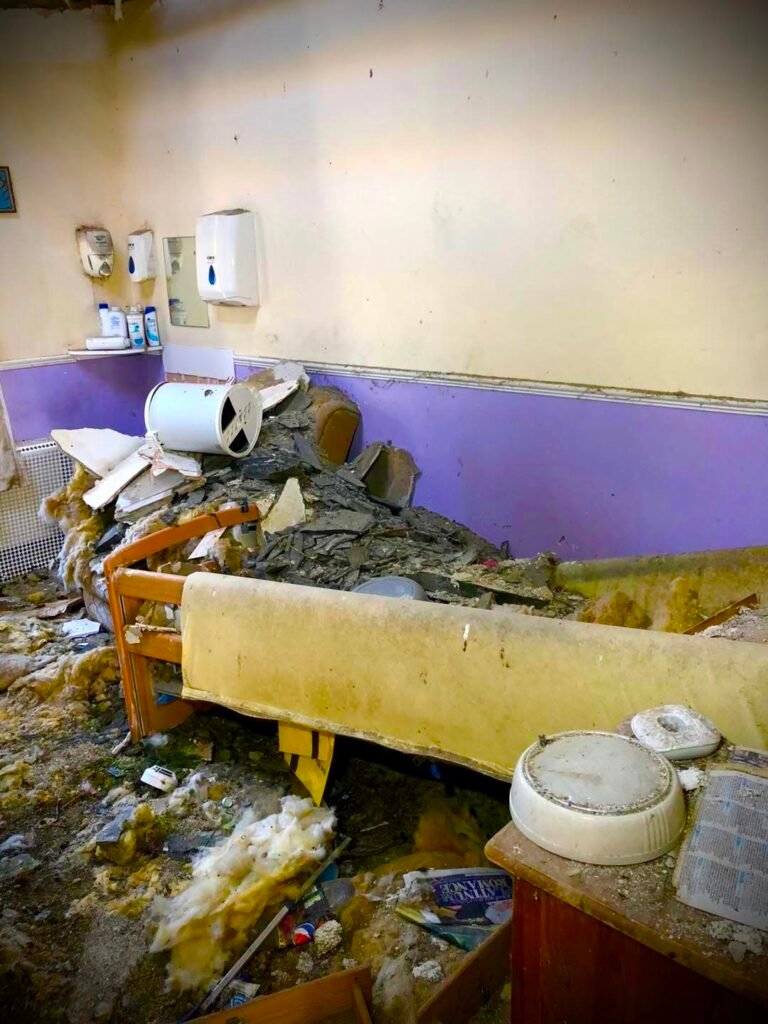
Asbestos is notorious for its long latency periods concerning health effects. Failure to manage asbestos safely can lead to severe, often fatal health issues such as lung cancer, asbestosis, and mesothelioma. The risks are particularly acute for construction workers and maintenance staff who may inadvertently disturb materials containing asbestos. Therefore, it is crucial to follow the established regulations to mitigate these health risks effectively.
Consequences of Non-Compliance
Compliance with asbestos regulations is not optional; it is a legal requirement. The penalties for non-compliance may include hefty fines and legal ramifications for duty holders, building owners, or principal contractors. Such outcomes not only affect the financial standing of these parties but also perpetuate public health risks. It is imperative that all involved parties understand their responsibilities under the law to ensure the safety and well-being of everyone in and around a construction project.
Responsibility of Dutyholders
In any building, the responsibility for managing asbestos risks primarily lies with the dutyholder. This dutyholder is typically the building owner or the person or organization in control of the premises. It is essential that they recognize the potential hazards associated with asbestos and comply with relevant regulations to ensure the safety of all occupants and workers.
Health Risks of Asbestos Exposure
Exposure to asbestos fibres is linked to serious health risks such as respiratory diseases, including lung cancer and mesothelioma. These conditions often take years to develop after the initial exposure, underscoring the importance of proactive risk management by the dutyholder. Regular assessments and immediate actions in case of suspected asbestos presence are critical for protecting health.
Legal Consequences and Compliance
Failure to comply with the Control of Asbestos Regulations can lead to severe penalties, including substantial fines and legal ramifications. Notably, any accidental release of asbestos fibres must be reported in accordance with the Reporting of Injuries, Diseases and Dangerous Occurrences Regulations (RIDDOR). Therefore, engaging Health and Safety Executive (HSE) compliant professionals is crucial for safety and compliance, particularly in demolition projects within London.

Planning and Legal Requirements
Understanding demolition permissions in London is a crucial step for any construction project. Whether you’re located in Barking and Dagenham, Barnet, or Westminster, it is essential to navigate local regulations effectively.

Section 80 Demolition Notice
This notice must be submitted at least six weeks prior to the planned demolition work. It ensures that the local authorities are aware of the upcoming dismantling and can assess its implications on the surrounding area.

Unsafe Building Demolition S79
Failure to comply with these requirements can lead to significant consequences, including the local council undertaking the necessary work themselves. In such scenarios, property owners may find themselves liable for the costs incurred
House Demolition Costs
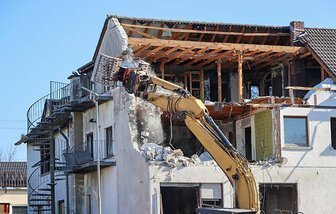
Several factors contribute to the final quote for demolition projects. Primarily, the size of the property plays a crucial role. Larger homes often necessitate more resources and labor, leading to higher costs.

Pre-Demolition Surveys
A demolition survey is a crucial inspection that takes place prior to the demolition or substantial refurbishment of a building. Its primary goal is to locate and identify any asbestos-containing materials (ACMs) present within the structure.
Building Demolition Costs
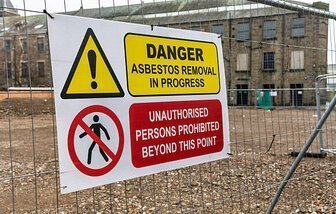
When budgeting for demolition, it’s vital to factor in additional expenses that may arise. Costs related to asbestos removal, which can be a significant concern in older buildings, must be included.
Strip-Out Demolition Costs in London
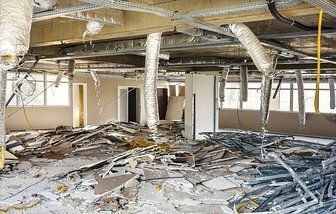
Strip-out demolition is a crucial step in the renovation process. It involves the careful removal of fixtures and finishes from a building, preparing it for further construction
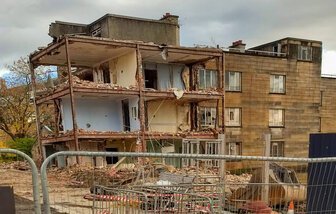
Pre-Demolition Process
Discover the essential steps involved in the demolition process in London. Understand the pre-demolition requirements, including the need for a survey to identify hazardous materials
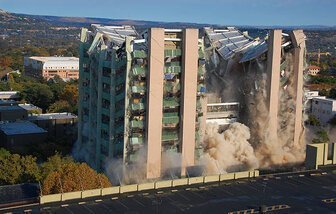
Demolition Methods
Demolition in London is a complex task that requires a variety of methods tailored to the specific needs of urban environments. The techniques used can vary widely, primarily influenced by the type of structure and its surrounding area.

When do the CDM Regulations apply?
The Construction (Design and Management) Regulations 2015 (CDM 2015) are vital for ensuring health and safety in demolition projects across London. These regulations impose legal duties
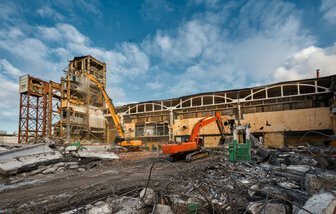
Managing Asbestos In Demolition
Understanding asbestos management is crucial for safe demolition projects in London. This involves a four-step process: surveying, notification, removal, and disposal of asbestos-containing materials (ACMs). Compliance with these regulations

Managing Waste In Demolition
Explore the critical aspects of demolition waste management, focusing on the assessment, segregation, processing, and responsible disposal of materials generated during demolition projects. Learn how to maximize recycling and reuse
Ready to start your project?
Let's Work Together
If you’re looking to initiate a project, you’re in the right place. To get started, please complete the form provided below. Share your project details, and our dedicated team will review your requirements promptly. Our goal is to offer tailored solutions that cater specifically to your needs.
Once we receive your submission, you will receive a confirmation email. We encourage you to check all your email boxes to ensure you don’t miss our response. Our team is committed to promptly reviewing your project details, whether it involves a small-scale endeavor or a large-scale development.
Direct Submissions for Faster Quotes
If you already have a project in mind and would like to receive a direct price quote, please feel free to send us your project documents and any relevant photographs at projects@completeuk.uk. We will meticulously evaluate these documents and provide you with a competitive quote along with a clear timelines for the entire process—from inception to completion.