
Effective Demolition Waste Management: Steps Toward Sustainable Practices
Explore the critical aspects of demolition waste management, focusing on the assessment, segregation, processing, and responsible disposal of materials generated during demolition projects. Learn how to maximize recycling and reuse of concrete, wood, and metals while minimizing environmental impact. This guide provides key steps in creating an effective waste management plan, ensuring compliance with local regulations, and the importance of on-site segregation for efficient collection and disposal. Protect the environment and promote sustainable practices in your demolition projects.
Understanding Demolition Waste Management in London
Demolition waste management is an essential process that aims to evaluate, segregate, and process materials generated during demolition activities.
These materials often include concrete, wood, metals, and other substances that can potentially be recycled or reused. Effective management strategies not only minimize waste but also contribute to environmental sustainability and responsible disposal methods.
Key Steps in Managing Demolition Waste
The process begins with a comprehensive pre-demolition assessment. This important step involves identifying any hazardous materials that may be present, ensuring the safety of workers and the environment.
Following this evaluation, on-site sorting of waste materials is conducted. This sorting is critical as it categorizes waste into recyclable and non-recyclable items.
Transportation and Disposal of Waste Materials
Once the materials have been sorted, they must be transported to appropriate facilities. Recyclable materials such as concrete and metals are sent to specialized recycling centers, while non-recyclable waste is directed to landfills.
The company responsible for the demolition is generally legally obligated to oversee the management of this waste, ensuring that all processes comply with environmental regulations.
In conclusion, implementing proper demolition waste management strategies not only enhances recycling efforts but also promotes responsible disposal practices.
By following the outlined steps, companies can significantly reduce their environmental footprint while adhering to legal responsibilities.
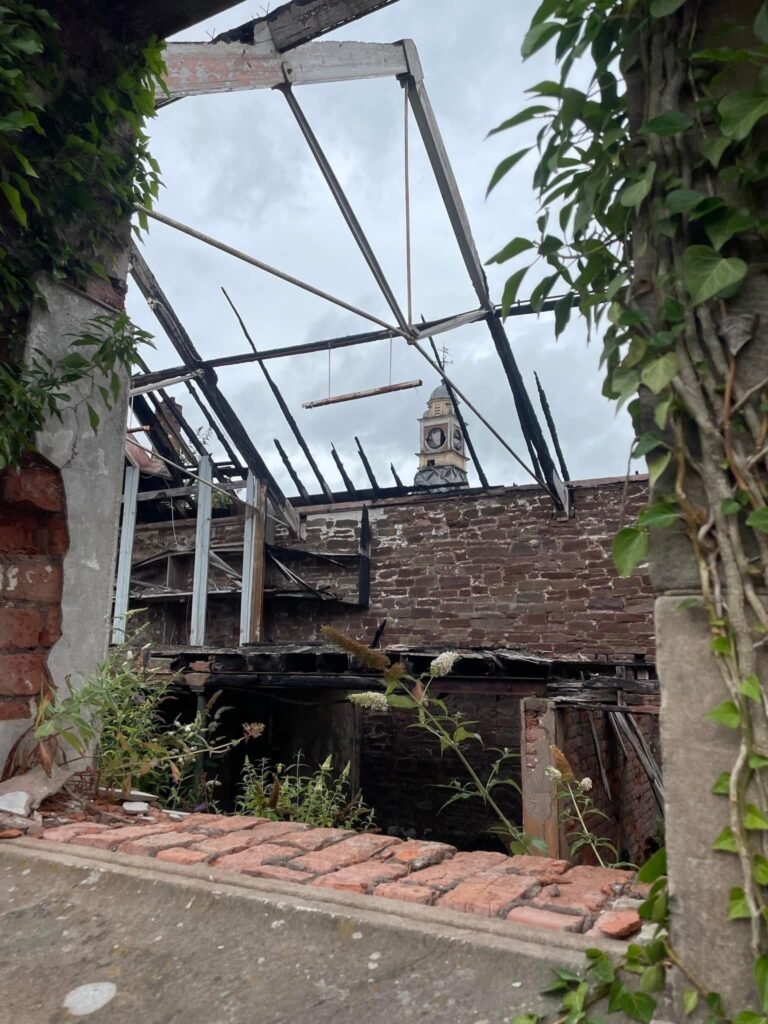
Effective Strategies for Waste Assessment and Management in Demolition Projects
Before embarking on any demolition project, it is crucial to conduct a thorough assessment of the materials that will be demolished. This evaluation should include a variety of waste types such as concrete, wood, metals, plastics, and any potentially hazardous substances that may be present, including asbestos or lead paint. Identifying these materials early helps in formulating a better waste management plan.
Developing a Comprehensive Waste Management Plan
A comprehensive waste management plan is essential to effectively handle the various waste types encountered during demolition. This plan should detail the procedures for recycling and disposing of materials responsibly. It should specify the methods of waste segregation, collection, and transportation, ensuring that recyclable materials are processed appropriately, while waste is disposed of according to local regulations.
Proper Handling of Hazardous Materials
Hazardous materials require special attention to ensure safety and compliance with regulatory standards. It is vital to identify any hazardous substances before demolition begins. This identification process should involve emptying and cleaning any tanks, pipes, or containers that may contain hazardous contents. All hazardous materials must then be handled following best practice guidelines, which often include disposal at licensed treatment facilities, ensuring that they are processed safely and legally.
Introduction to On-Site Waste Management
Efficient waste management is essential in ensuring a sustainable environment. One of the pivotal steps in this process is the segregation and removal of waste on-site. By separating materials such as metal, wood, and rubble as they are generated, not only is recycling made simpler, but we can also enhance the potential for reuse.
Implementing Appropriate Equipment
Employing the right equipment is crucial for successful on-site waste handling. For instance, skip loaders, excavators, and grab lorries are ideal for the collection and loading of various types of waste. Additionally, using roll-on/roll-off (RORO) containers can be particularly beneficial for larger construction projects, providing an efficient and organized method for waste removal.
Ensuring Safe Waste Handling Practices
To guarantee safety during the waste segregation and removal process, it is vital to provide all workers with adequate personal protective equipment (PPE). Following strict safety protocols ensures that workers handle waste correctly and minimizes the risk of accidents. Implementing safe feeding protocols further enhances the overall safety and efficiency of the waste management process.
In conclusion, an effective strategy for segregation and removal of waste on-site not only promotes recycling but also protects the well-being of all personnel involved. By adhering to proper equipment use and safety measures, we can significantly improve our waste management practices.
Understanding Recyclable Materials
Processing and disposing of recyclable materials is an essential aspect of waste management. By efficiently transporting recyclable materials to recycling centers, we contribute to a sustainable environment. Various materials can be recycled, including metals, plastics, concrete, and wood. For instance, concrete and bricks can be crushed and reused as aggregate, while wood can be processed into chippings for landscaping or converted into bioenergy.
Disposing of Non-Recyclable Waste
Not all waste can be recycled; therefore, proper disposal of non-recyclable materials is crucial. It is necessary to send non-recyclable waste to licensed landfills or waste management facilities. Such facilities are equipped to manage waste effectively and prevent environmental harm. Compliance with local and national regulations is a legal obligation that helps ensure responsible waste management practices.
Meeting Legal Requirements for Waste Disposal
In handling waste, it is vital to adhere to legal requirements. Organizations must ensure that all waste is processed and disposed of in compliance with relevant regulations. This typically includes obtaining a “duty of care” certificate, which serves as confirmation that waste has been disposed of legally and responsibly. By understanding and fulfilling these requirements, businesses and individuals can contribute positively to environmental sustainability and community health.

Planning and Legal Requirements
Understanding demolition permissions in London is a crucial step for any construction project. Whether you’re located in Barking and Dagenham, Barnet, or Westminster, it is essential to navigate local regulations effectively.

Section 80 Demolition Notice
This notice must be submitted at least six weeks prior to the planned demolition work. It ensures that the local authorities are aware of the upcoming dismantling and can assess its implications on the surrounding area.

Unsafe Building Demolition S79
Failure to comply with these requirements can lead to significant consequences, including the local council undertaking the necessary work themselves. In such scenarios, property owners may find themselves liable for the costs incurred
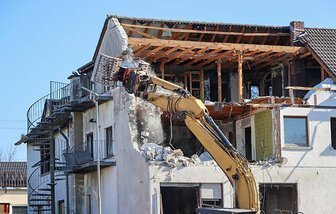
House Demolition Costs
Several factors contribute to the final quote for demolition projects. Primarily, the size of the property plays a crucial role. Larger homes often necessitate more resources and labor, leading to higher costs.

Pre-Demolition Surveys
A demolition survey is a crucial inspection that takes place prior to the demolition or substantial refurbishment of a building. Its primary goal is to locate and identify any asbestos-containing materials (ACMs) present within the structure.
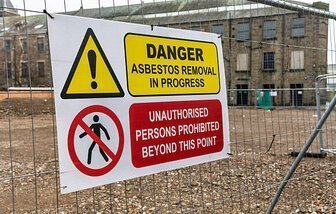
Building Demolition Costs
When budgeting for demolition, it’s vital to factor in additional expenses that may arise. Costs related to asbestos removal, which can be a significant concern in older buildings, must be included.
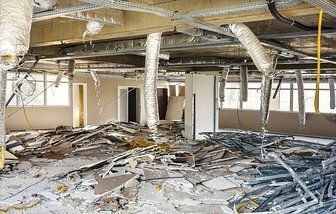
Strip-Out Demolition Costs in London
Strip-out demolition is a crucial step in the renovation process. It involves the careful removal of fixtures and finishes from a building, preparing it for further construction
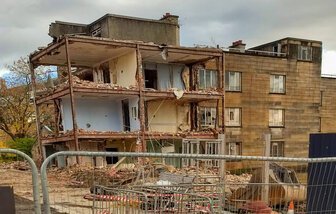
Pre-Demolition Process
Discover the essential steps involved in the demolition process in London. Understand the pre-demolition requirements, including the need for a survey to identify hazardous materials
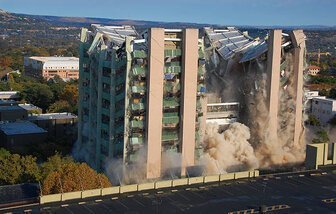
Demolition Methods
Demolition in London is a complex task that requires a variety of methods tailored to the specific needs of urban environments. The techniques used can vary widely, primarily influenced by the type of structure and its surrounding area.
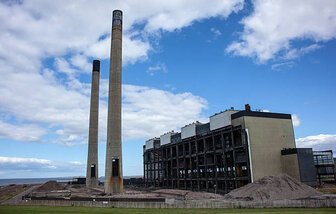
When do the CDM Regulations apply?
The Construction (Design and Management) Regulations 2015 (CDM 2015) are vital for ensuring health and safety in demolition projects across London. These regulations impose legal duties
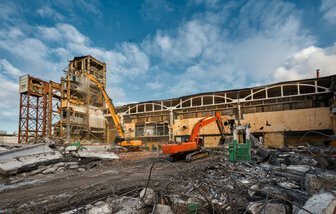
Managing Asbestos In Demolition
Understanding asbestos management is crucial for safe demolition projects in London. This involves a four-step process: surveying, notification, removal, and disposal of asbestos-containing materials (ACMs). Compliance with these regulations

Managing Waste In Demolition
Explore the critical aspects of demolition waste management, focusing on the assessment, segregation, processing, and responsible disposal of materials generated during demolition projects. Learn how to maximize recycling and reuse
Ready to start your project?
Let's Work Together
If you’re looking to initiate a project, you’re in the right place. To get started, please complete the form provided below. Share your project details, and our dedicated team will review your requirements promptly. Our goal is to offer tailored solutions that cater specifically to your needs.
Once we receive your submission, you will receive a confirmation email. We encourage you to check all your email boxes to ensure you don’t miss our response. Our team is committed to promptly reviewing your project details, whether it involves a small-scale endeavor or a large-scale development.
Direct Submissions for Faster Quotes
If you already have a project in mind and would like to receive a direct price quote, please feel free to send us your project documents and any relevant photographs at projects@completeuk.uk. We will meticulously evaluate these documents and provide you with a competitive quote along with a clear timelines for the entire process—from inception to completion.