
Understanding Demolition Methods in London
Explore the complexities of demolition in London, including mechanical and controlled methods such as explosive demolition and hydraulic techniques. Learn about specialized approaches like selective demolition and the importance of safety and recycling materials from urban environments. Discover how modern demolition practices are tailored to meet the unique challenges posed by dense city structures.
Understanding Common Demolition Types
Demolition in London is a complex task that requires a variety of methods tailored to the specific needs of urban environments. The techniques used can vary widely, primarily influenced by the type of structure and its surrounding area.
Mechanical and Controlled Methods
The most common method of demolition is mechanical demolition, which utilizes excavators, particularly high-reach machines. These machines are capable of tackling buildings in dense urban settings safely and efficiently.
For larger structures such as bridges or chimneys, controlled explosive demolition is often employed. This method allows for precise timing and effective dismantling, minimizing the impact on surrounding properties.
Additional Demolition Techniques
In addition to mechanical and explosive methods, other specialized techniques such as hydraulic bursting and crushing are frequently used. Hydraulic methods are particularly effective for structures where space is limited and precision is paramount.
Selective demolition is another technique utilized to preserve specific parts of a building, often involving a careful ‘soft strip’ process that removes non-structural materials. This approach not only ensures safety but also helps in recycling materials from the demolition site.
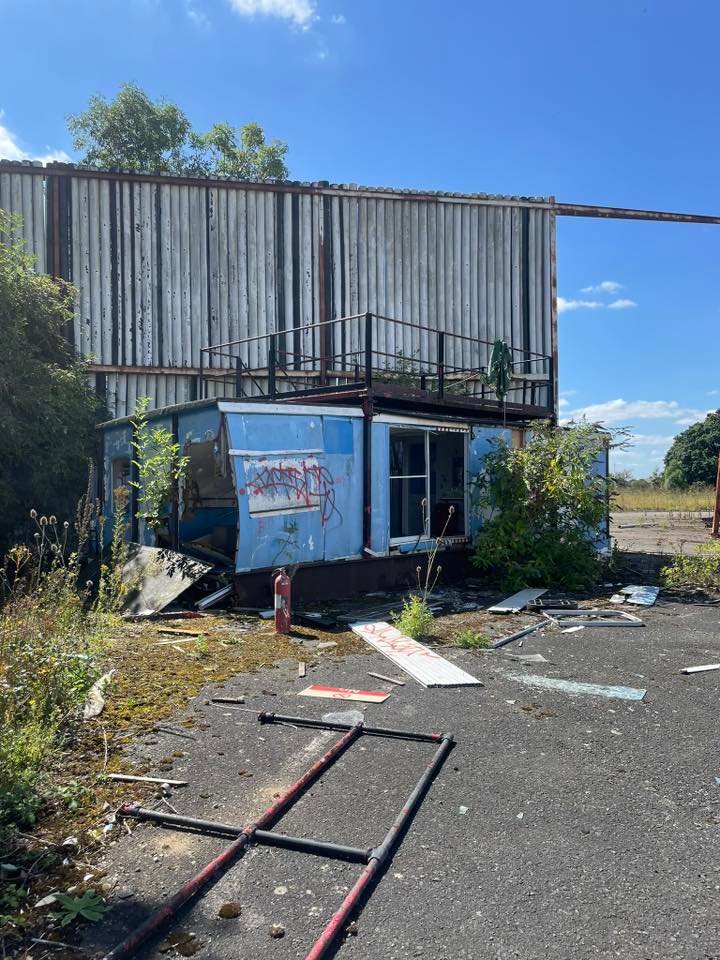
Exploring the Efficiency of High-Reach Excavators in Mechanical Demolition
High-reach excavators stand as a crucial innovation in mechanical demolition, particularly when dealing with tall structures. These powerful machines are designed with long booms that enable them to safely dismantle buildings from the top down. This method not only enhances safety but also facilitates the efficient removal of debris in dense urban environments, such as central London.
Floor-by-Floor Demolition Technique
One of the hallmark features of high-reach excavators is their ability to perform floor-by-floor demolition. This technique is particularly beneficial in confined spaces where traditional demolition methods may pose risks. In such cases, high-reach excavators are often transported to the site using cranes or lifts to ensure they are positioned precisely for demolition operations. Once in place, they methodically dismantle structures piece by piece within their footprint, minimizing disruption to surrounding areas.
Attachments for Enhanced Performance
To maximize their effectiveness, high-reach excavators are equipped with various specialized attachments like hydraulic breakers, crushers, and pulverizers. These tools are essential for breaking up concrete and other hard materials, improving the overall efficiency and precision of the demolition process. With these attachments, excavators can adapt to different tasks, ensuring a versatile approach to mechanical demolition.
What is Deconstruction?
Deconstruction is a systematic method of dismantling a building piece by piece. Unlike traditional demolition, which often involves total destruction, deconstruction focuses on preserving the structure’s components for reuse or recycling. This approach not only minimizes waste but also promotes sustainability in construction practices by allowing valuable materials to be salvaged and repurposed.
Selective Demolition Explained
Selective demolition is a tailored form of deconstruction. It involves carefully removing non-structural elements before the main structure is demolished. Common practices include soft stripping, where fixtures, fittings, and hazardous materials like asbestos are extracted. This step ensures the safety of workers and prevents the spread of harmful substances during the demolition process.
The Benefits of Deconstruction
This method presents numerous advantages. Firstly, it significantly reduces material waste sent to landfills, supporting environmental efforts to minimize ecological footprints. Furthermore, deconstruction allows for the reuse of high-quality materials, which can lower costs for upcoming construction projects. As more professionals recognize the benefits of deconstruction over traditional demolition, the practice is becoming increasingly common in the construction industry.
Introduction to Hydraulic and Specialty Methods
In the realm of demolition and construction, precision and safety are paramount. Hydraulic methods have emerged as leading techniques for breaking down concrete, stone, and masonry with remarkable efficiency and minimal disruption. This article explores hydraulic bursting, hydraulic crushing, and the usage of remote-controlled robots to enhance safety in challenging environments.
Hydraulic Bursting and Cracking
Hydraulic bursting involves the insertion of hydraulic heads into pre-drilled holes within a structure. By applying hydraulic force, this method effectively cracks and breaks down material in a controlled manner. This precision makes it ideal for sensitive demolition projects that require careful handling of surrounding structures. The hydraulic bursting technique greatly reduces noise and vibration, making it suitable for urban environments where disruption needs to be limited.
Hydraulic Crushing: Efficiency in Action
Another notable method is hydraulic crushing, which employs hydraulic jaws to crush concrete into manageable pieces. This technology is particularly advantageous in noise-sensitive areas or confined spaces, as it generates minimal dust and vibration. This efficient method not only maintains the integrity of adjacent structures but also promotes a cleaner and safer demolition process.
Remote-Controlled Robots: Enhancing Safety
The integration of remote-controlled robots in demolition projects marks a significant advancement in safety protocols. These robots are designed for highly hazardous or hard-to-reach areas, allowing operators to control the demolition process from a safe distance. This technology not only elevates safety standards but also improves overall operational efficiency, ensuring that challenging tasks are completed with precision and care.
What is Explosive Demolition?
Explosive demolition is a technique used for dismantling large, freestanding structures, such as bridges and chimneys. This specialized process involves the use of strategically placed explosives to collapse the building inwardly, ensuring that it remains within its own footprint. Such precision is essential to avoid damage to nearby properties and to ensure safety.
The Process of Controlled Implosion
Controlled implosion is a highly technical method carried out by certified demolition contractors. Before any explosives are employed, the structure must undergo a thorough stripping process, during which non-essential materials are removed. This includes everything from furniture to windows, allowing the building to be weakened appropriately for the implosion. By meticulously planning the placement of explosives, these professionals can direct the fall of the building precisely.
Why Choose Controlled Implosion?
There are many advantages to using controlled implosion for demolition. Primarily, it is safer for the surrounding environment, as the explosion is contained within the structure’s footprint. Additionally, this method can be more cost-effective when dealing with large and complex buildings because it reduces the time spent on demolition compared to traditional methods. With a focus on precision, explosive demolition ensures thorough execution with minimal environmental impact.
Introduction to Demolition Method Selection
When undertaking a demolition project, it’s crucial to choose the right method based on various factors. Each decision impacts not only the efficiency and safety of the demolition process but also the overall success of the project.
Height and Location Influence Machinery Selection
The height of the building plays a significant role in determining the type of machinery required. For example, high-reach excavators are essential for taller structures to ensure safe demolition while maintaining proximity to surrounding buildings. Furthermore, urban demolition in areas like London often faces stringent regulations due to nearby infrastructures and public spaces, making it imperative to select a method that complies with local laws.
Safety, Environmental Impact, and Budget Considerations
Safety remains at the forefront of demolition projects. Methods are chosen with a focus on minimizing risks to both workers and the public, as well as addressing potential issues like dust and noise pollution. Projects with a strong emphasis on material recovery may prefer approaches such as deconstruction or soft stripping than full mechanical demolition, allowing for higher recycling rates. Budget constraints and timelines are also pivotal, as each method carries distinct costs and timeframes that can significantly sway the project’s direction.

Planning and Legal Requirements
Understanding demolition permissions in London is a crucial step for any construction project. Whether you’re located in Barking and Dagenham, Barnet, or Westminster, it is essential to navigate local regulations effectively.

Section 80 Demolition Notice
This notice must be submitted at least six weeks prior to the planned demolition work. It ensures that the local authorities are aware of the upcoming dismantling and can assess its implications on the surrounding area.

Unsafe Building Demolition S79
Failure to comply with these requirements can lead to significant consequences, including the local council undertaking the necessary work themselves. In such scenarios, property owners may find themselves liable for the costs incurred
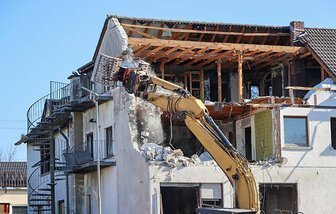
House Demolition Costs
Several factors contribute to the final quote for demolition projects. Primarily, the size of the property plays a crucial role. Larger homes often necessitate more resources and labor, leading to higher costs.

Pre-Demolition Surveys
A demolition survey is a crucial inspection that takes place prior to the demolition or substantial refurbishment of a building. Its primary goal is to locate and identify any asbestos-containing materials (ACMs) present within the structure.
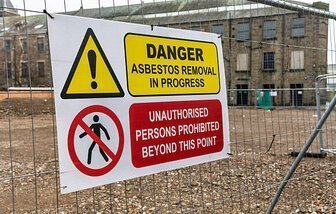
Building Demolition Costs
When budgeting for demolition, it’s vital to factor in additional expenses that may arise. Costs related to asbestos removal, which can be a significant concern in older buildings, must be included.
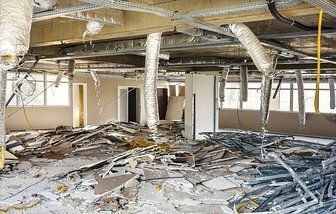
Strip-Out Demolition Costs in London
Strip-out demolition is a crucial step in the renovation process. It involves the careful removal of fixtures and finishes from a building, preparing it for further construction
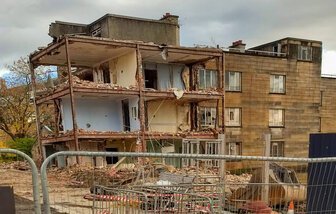
Pre-Demolition Process
Discover the essential steps involved in the demolition process in London. Understand the pre-demolition requirements, including the need for a survey to identify hazardous materials

Demolition Methods
Demolition in London is a complex task that requires a variety of methods tailored to the specific needs of urban environments. The techniques used can vary widely, primarily influenced by the type of structure and its surrounding area.
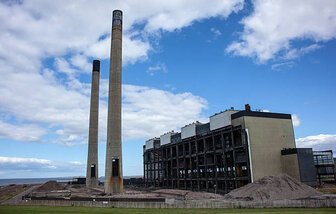
When do the CDM Regulations apply?
The Construction (Design and Management) Regulations 2015 (CDM 2015) are vital for ensuring health and safety in demolition projects across London. These regulations impose legal duties
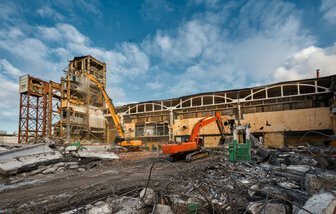
Managing Asbestos In Demolition
Understanding asbestos management is crucial for safe demolition projects in London. This involves a four-step process: surveying, notification, removal, and disposal of asbestos-containing materials (ACMs). Compliance with these regulations
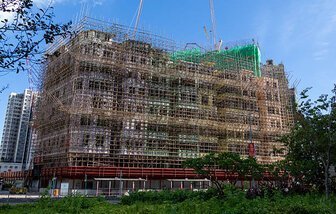
Managing Waste In Demolition
Explore the critical aspects of demolition waste management, focusing on the assessment, segregation, processing, and responsible disposal of materials generated during demolition projects. Learn how to maximize recycling and reuse
Ready to start your project?
Let's Work Together
To get started, for general enquiries simply complete the form below. Provide us with your project details, and our team will review your requirements. We will then get back to you with a customised solution that fits your needs. Whether you have a small-scale project or a large-scale development, we have the expertise and resources to handle it. Once we have received your submission, you will receive a confirmation email (Please check all your email boxes)
If you prefer, and have a project in mind and seeking a price you can also send us your project documents and any photographs directly to projects@completeuk.uk We will carefully examine your documents and provide you with a competitive quote together with a timescale from inception through to completion for your project.