
Understanding the Demolition Process in London
Discover the essential steps involved in the demolition process in London. Understand the pre-demolition requirements, including the need for a survey to identify hazardous materials like asbestos, and the importance of notifying local authorities. Learn about the various demolition methods, safety measures, and compliance issues crucial for property owners and contractors. Stay informed to ensure a smooth and safe demolition operation.
Overview of the Demolition Process
The demolition process in London is quite structured, requiring adherence to local regulations. Before initiating any demolition activities, property owners must provide at least six weeks’ notice to the local authority’s building control.
This process begins with the completion of a demolition notice form, which must be accompanied by a site plan detailing the proposed works. Understanding these foundational steps is essential for a smooth operation.
Pre-Demolition Requirements
Another critical aspect of the demolition process is the pre-demolition survey. This survey focuses on identifying any hazardous materials, particularly asbestos, that may be present in the structure.
Proper removal of such materials is not just a legal requirement but also a safety precaution to protect workers and the community. Following the survey, property owners must develop a detailed demolition plan, outlining the methods and safety measures to be employed during the project.
Executing the Demolition
Once all preliminary steps are completed, the demolition can proceed, typically executed by a specialized contractor. Various methods may be used, including top-down deconstruction with excavators or, for larger structures, implosion.
Each method is selected based on factors such as the building’s size and location. By understanding the demolition process in London, property owners can ensure compliance and prioritize safety throughout the operation.

Key Steps in the Demolition Process In London
What to Know Before Starting Demolition Work
Before embarking on any demolition project, it’s essential to understand the regulatory requirements that govern such works. According to the Building Act 1984, you must provide at least six weeks’ notice to the local authority’s building control department before commencing any demolition activities. This period allows the authorities to assess the plan and ensure all safety protocols are in place.
Submitting Your Demolition Notice
To initiate the process, you must complete and submit a demolition notice form along with a detailed site plan to the appropriate local authority, such as Tower Hamlets or the City of London. This documentation serves as a formal request for permission to carry out the demolition work. Failing to submit these documents correctly can lead to delays or penalties, making compliance crucial.
Notifications to Utility Services
In addition to notifying the local authority, it is equally important to send copies of your demolition notice to utility services such as water, gas, and electricity providers. This step ensures that all necessary parties are informed and can make arrangements to disconnect services if required. Furthermore, you must notify the occupiers of adjacent buildings to keep them aware of the impending work, thus promoting safety and cooperation within the neighborhood.
Conducting a Thorough Survey
Before initiating any demolition activities, it is crucial to conduct a thorough pre-demolition survey. This survey is designed to identify and manage hazardous materials present on-site, particularly asbestos, which is classified as mandatory in the UK. Understanding the site and the materials involved helps stakeholders formulate strategies to manage these risks effectively.
Developing a Comprehensive Method Statement
Once hazardous materials are identified, the next step is to develop a detailed method statement by a competent professional. This document should outline the risks associated with the demolition activities and specify how these risks will be controlled. It serves as a vital guideline for the safe execution of the demolition process, ensuring compliance with legal requirements and best practices.
Implementing Safety Measures
For complex sites located in urban areas, it is advisable to seek a third-party review of the method statement. This addition serves to further enhance the safety framework in place. Additionally, implementing stringent safety measures and ensuring that all potential risks are managed effectively is paramount before any demolition begins. By adhering to these pre-demolition steps, businesses can ensure that they operate within regulatory guidelines while also safeguarding workers and the surrounding community.
Understanding Demolition Techniques
Demolition is a crucial phase in construction projects, requiring careful planning and execution. One widely used method is the “top-down” technique. This approach involves dismantling buildings floor by floor, utilizing small plant machinery. This technique is particularly beneficial in urban areas where space is limited, allowing for a more controlled and efficient demolition process.
Advanced Demolition Approach: Implosion
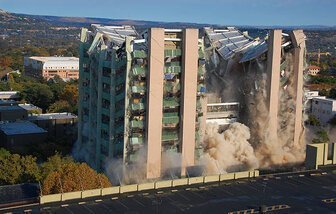
For larger and more complex structures, implosion is often utilized. This method involves the use of strategically placed explosives that are detonated in a controlled manner. Specialist companies execute implosion to ensure that the building collapses inward, minimizing the risk of surrounding structures being affected. This method is usually planned meticulously to ensure safety and effectiveness.
The Importance of Efficient Waste Management
Once the main structure has been successfully demolished, dismantling the remaining debris is essential. Efficient waste management practices not only help in clearing the site but also ensure that recyclable materials are separated and transported appropriately. This preparation is crucial for the next phase of development on the site. Properly managed demolition projects contribute to sustainable construction practices, aligning with modern environmental standards.

Planning and Legal Requirements
Understanding demolition permissions in London is a crucial step for any construction project. Whether you’re located in Barking and Dagenham, Barnet, or Westminster, it is essential to navigate local regulations effectively.

Section 80 Demolition Notice
This notice must be submitted at least six weeks prior to the planned demolition work. It ensures that the local authorities are aware of the upcoming dismantling and can assess its implications on the surrounding area.

Unsafe Building Demolition S79
Failure to comply with these requirements can lead to significant consequences, including the local council undertaking the necessary work themselves. In such scenarios, property owners may find themselves liable for the costs incurred
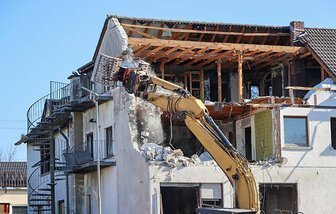
House Demolition Costs
Several factors contribute to the final quote for demolition projects. Primarily, the size of the property plays a crucial role. Larger homes often necessitate more resources and labor, leading to higher costs.

Pre-Demolition Surveys
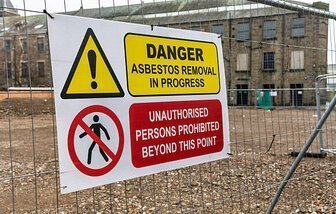
A demolition survey is a crucial inspection that takes place prior to the demolition or substantial refurbishment of a building. Its primary goal is to locate and identify any asbestos-containing materials (ACMs) present within the structure.
Building Demolition Costs
When budgeting for demolition, it’s vital to factor in additional expenses that may arise. Costs related to asbestos removal, which can be a significant concern in older buildings, must be included.
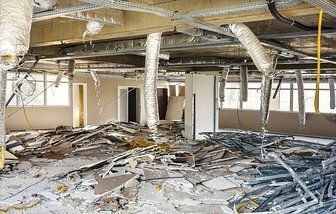
Strip-Out Demolition Costs in London
Strip-out demolition is a crucial step in the renovation process. It involves the careful removal of fixtures and finishes from a building, preparing it for further construction
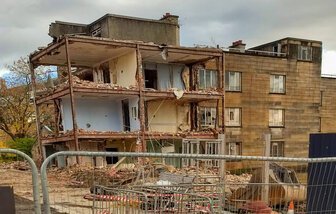
Pre-Demolition Process
Discover the essential steps involved in the demolition process in London. Understand the pre-demolition requirements, including the need for a survey to identify hazardous materials
Demolition Methods
Demolition in London is a complex task that requires a variety of methods tailored to the specific needs of urban environments. The techniques used can vary widely, primarily influenced by the type of structure and its surrounding area.

When do the CDM Regulations apply?
The Construction (Design and Management) Regulations 2015 (CDM 2015) are vital for ensuring health and safety in demolition projects across London. These regulations impose legal duties
Managing Asbestos In Demolition
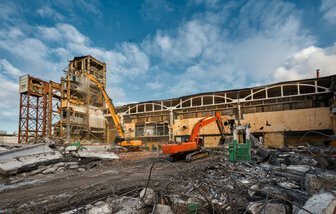
Understanding asbestos management is crucial for safe demolition projects in London. This involves a four-step process: surveying, notification, removal, and disposal of asbestos-containing materials (ACMs). Compliance with these regulations
Managing Waste In Demolition
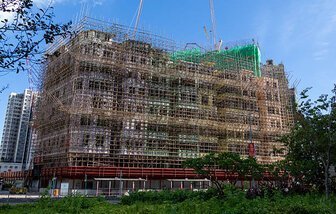
Explore the critical aspects of demolition waste management, focusing on the assessment, segregation, processing, and responsible disposal of materials generated during demolition projects. Learn how to maximize recycling and reuse
Ready to start your project?
Let's Work Together
If you’re looking to initiate a project, you’re in the right place. To get started, please complete the form provided below. Share your project details, and our dedicated team will review your requirements promptly. Our goal is to offer tailored solutions that cater specifically to your needs.
Once we receive your submission, you will receive a confirmation email. We encourage you to check all your email boxes to ensure you don’t miss our response. Our team is committed to promptly reviewing your project details, whether it involves a small-scale endeavor or a large-scale development.
Direct Submissions for Faster Quotes
If you already have a project in mind and would like to receive a direct price quote, please feel free to send us your project documents and any relevant photographs at projects@completeuk.uk. We will meticulously evaluate these documents and provide you with a competitive quote along with a clear timelines for the entire process—from inception to completion.