
Understanding Section 79 Enforcement Notices for Demolition in London
Learn about Section 79 Enforcement Notices, a legal notification issued by London councils under the Building Act 1984 to alert property owners about dangerous, dilapidated buildings. Understanding the obligations of property owners upon receiving such a notice is crucial. Compliance ensures safety and prevents legal complications, including significant financial penalties and potential enforced property sales. This guide details the importance of adhering to Section 79 notices and the necessary steps property owners must take to comply effectively.
Understanding Section 79 Enforcement Notices: A Guide for Property Owners in London
A Section 79 Enforcement Notice is a legal document issued by local councils in London under the Building Act 1984. It serves as a formal notification to property owners regarding the condition of their buildings.
Specifically, it targets structures that are deemed ruinous, dilapidated, or dangerous. The issuance of such a notice indicates that immediate action is required to ensure the safety and stability of the property in question.
Obligations of Property Owners
Upon receiving a Section 79 Enforcement Notice, the owner must undertake necessary repairs or, in extreme cases, demolish the building within a specified timeframe.
Failure to comply with these requirements can lead to significant consequences, including the local council undertaking the necessary work themselves. In such scenarios, property owners may find themselves liable for the costs incurred, which can ultimately be recovered through an enforced sale of the property.
Why Compliance is Essential
Adhering to the terms of a Section 79 Enforcement Notice is critical for property owners. Not only does compliance ensure the safety of the surrounding community, but it also prevents additional legal complications and financial burdens.
Property owners are encouraged to understand their responsibilities under the notice and seek professional advice if needed to avoid the severe repercussions associated with non-compliance.
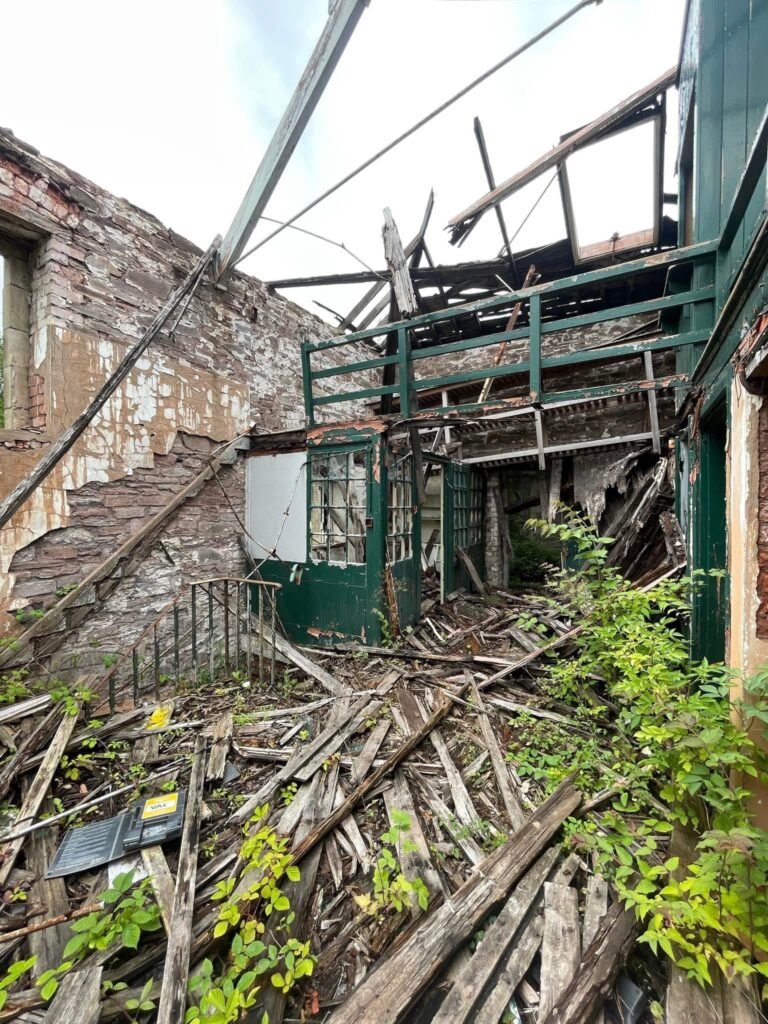
You Must Take Immediate Action If Your Are Served A Section 79 Enforcement Notice
What is a Section 79 Notice?
A Section 79 notice is a legal tool utilized by local authorities to address dangerous or dilapidated structures. This notice is primarily aimed at properties that are in a state of disrepair, posing a potential risk to public safety. When a building is deemed dangerous or largely unmaintained, the local authority has the power to issue this notice, compelling the property owner to take necessary actions for repair or removal.
Addressing Neglected Sites
In addition to hazardous buildings, Section 79 notices can also target neglected sites that are cluttered with rubbish or unsightly materials. The enforcement of this notice aims to improve the overall amenity of the local area, ensuring that communities remain safe and visually appealing. By tackling such neglected spaces, local authorities play a crucial role in enhancing public safety and fostering a sense of pride within neighborhoods.
The Role of Section 79 Notices in Public Safety
Ultimately, the issuance of Section 79 notices serves as an important enforcement mechanism. They are essential for safeguarding public safety in areas where properties may pose a significant risk to residents and visitors alike. By addressing dangerous structures and neglected sites proactively, local authorities contribute positively to the community’s well-being and prevent potential accidents or hazards associated with disrepair.
Introduction to Owner Responsibilities
As a property owner, it is crucial to comprehend your responsibilities, particularly when it comes to repairs or demolitions mandated by notice. Timely actions are essential to maintaining property standards, fulfilling legal obligations, and ensuring community safety.
Actions Required from Owners
The notice you receive outlines specific works that you are required to carry out. These may include essential repairs or even complete demolitions in severe cases. It is your duty to read the notice carefully and understand the specifications involved. Engaging a qualified contractor may be beneficial to ensure compliance with safety standards and regulations.
Importance of Adhering to Time Limits
The notice typically sets a strict deadline for completing the necessary works. Failing to act within this timeframe can lead to serious penalties, including fines or forced completion of works by local authorities. Therefore, understanding the urgency of the situation and prioritizing your responsibilities is essential. Timely repairs or demolitions not only protect your investment but also contribute positively to the community.
Understanding Council Intervention
When a property owner neglects to comply with council regulations, it can trigger a series of actions on the part of the council. The initial response might involve issuing warnings or notices, but if compliance is still not achieved, the council can take further steps. This escalation is crucial to maintaining community standards and ensuring safety.
The Costs of Council Action
If an owner continues to disregard council requirements, the council is empowered to step in and undertake the necessary work themselves. This intervention comes with significant costs. Importantly, these expenses are not merely absorbed by the council; instead, they are registered against the property in question. This means that the owner will ultimately bear financial responsibility for the council’s actions.
Potential for Enforced Sale
In more severe cases, if the owner remains non-compliant and fails to settle the incurred costs, the council has the option to pursue an enforced sale of the property. This avenue is pursued to recover the outstanding debts linked to the property. An enforced sale is a serious consequence, demonstrating the importance of adhering to council regulations and promptly addressing any compliance issues.

Planning and Legal Requirements
Understanding demolition permissions in London is a crucial step for any construction project. Whether you’re located in Barking and Dagenham, Barnet, or Westminster, it is essential to navigate local regulations effectively.

Section 80 Demolition Notice
This notice must be submitted at least six weeks prior to the planned demolition work. It ensures that the local authorities are aware of the upcoming dismantling and can assess its implications on the surrounding area.

Unsafe Building Demolition S79
Failure to comply with these requirements can lead to significant consequences, including the local council undertaking the necessary work themselves. In such scenarios, property owners may find themselves liable for the costs incurred
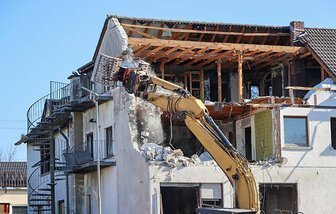
House Demolition Costs
Several factors contribute to the final quote for demolition projects. Primarily, the size of the property plays a crucial role. Larger homes often necessitate more resources and labor, leading to higher costs.

Pre-Demolition Surveys
A demolition survey is a crucial inspection that takes place prior to the demolition or substantial refurbishment of a building. Its primary goal is to locate and identify any asbestos-containing materials (ACMs) present within the structure.
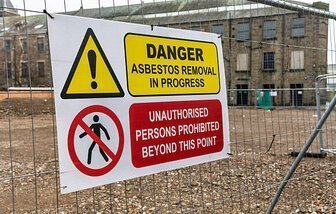
Building Demolition Costs
When budgeting for demolition, it’s vital to factor in additional expenses that may arise. Costs related to asbestos removal, which can be a significant concern in older buildings, must be included.
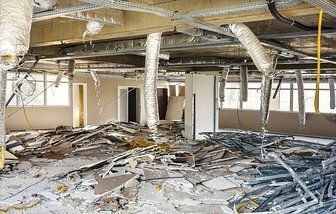
Strip-Out Demolition Costs in London
Strip-out demolition is a crucial step in the renovation process. It involves the careful removal of fixtures and finishes from a building, preparing it for further construction
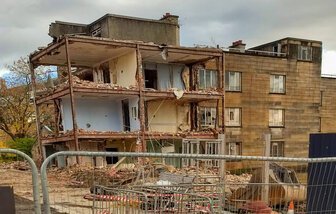
Pre-Demolition Process
Discover the essential steps involved in the demolition process in London. Understand the pre-demolition requirements, including the need for a survey to identify hazardous materials
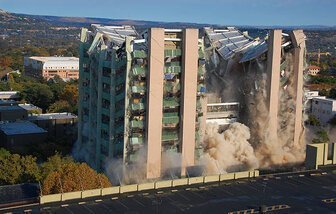
Demolition Methods
Demolition in London is a complex task that requires a variety of methods tailored to the specific needs of urban environments. The techniques used can vary widely, primarily influenced by the type of structure and its surrounding area.

When do the CDM Regulations apply?
The Construction (Design and Management) Regulations 2015 (CDM 2015) are vital for ensuring health and safety in demolition projects across London. These regulations impose legal duties
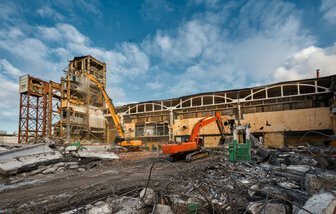
Managing Asbestos In Demolition
Understanding asbestos management is crucial for safe demolition projects in London. This involves a four-step process: surveying, notification, removal, and disposal of asbestos-containing materials (ACMs). Compliance with these regulations

Managing Waste In Demolition
Explore the critical aspects of demolition waste management, focusing on the assessment, segregation, processing, and responsible disposal of materials generated during demolition projects. Learn how to maximize recycling and reuse
Ready to start your project?
Let's Work Together
If you’re looking to initiate a project, you’re in the right place. To get started, please complete the form provided below. Share your project details, and our dedicated team will review your requirements promptly. Our goal is to offer tailored solutions that cater specifically to your needs.
Once we receive your submission, you will receive a confirmation email. We encourage you to check all your email boxes to ensure you don’t miss our response. Our team is committed to promptly reviewing your project details, whether it involves a small-scale endeavor or a large-scale development.
Direct Submissions for Faster Quotes
If you already have a project in mind and would like to receive a direct price quote, please feel free to send us your project documents and any relevant photographs at projects@completeuk.uk. We will meticulously evaluate these documents and provide you with a competitive quote along with a clear timelines for the entire process—from inception to completion.