
Understanding Section 80 Notices for Demolition in London
A Section 80 notice is a crucial requirement for anyone planning to demolish a building. This formal notification must be submitted to the local council at least six weeks prior to any demolition work. It details the project specifics, including the type of building, involved parties, and a proposed timeline. Without local authority approval, demolition cannot commence, making understanding this process essential for compliance with local regulations in London boroughs like Croydon, Barnet, and Newham.
What is a Section 80 Demolition Notice & How To Apply?
A Section 80 notice is a formal notification that individuals or entities must serve to their local council before commencing the demolition of a building.
This notice must be submitted at least six weeks prior to the planned demolition work. It ensures that the local authorities are aware of the upcoming dismantling and can assess its implications on the surrounding area.
Specifics of the Notice
In areas such as Croydon, Barnet, Newham, Havering, Bromley, Kensington and Chelsea, and the City of Westminster, the Section 80 notice must detail various aspects of the demolition project.
These details include the type of building being demolished, the specific works that will be carried out, the parties involved in the demolition process, and a proposed timeline. It is essential for ensuring that all parties comply with local regulations.
Approval and Final Steps
The local authority plays a crucial role in the demolition process following receipt of the Section 80 notice. They will review the submitted details and determine whether to grant approval for the demolition. It is important to note that without this approval, no demolition work can begin.
Therefore, understanding the requirements of a Section 80 notice is vital for anyone planning to undertake demolition work in these London boroughs.
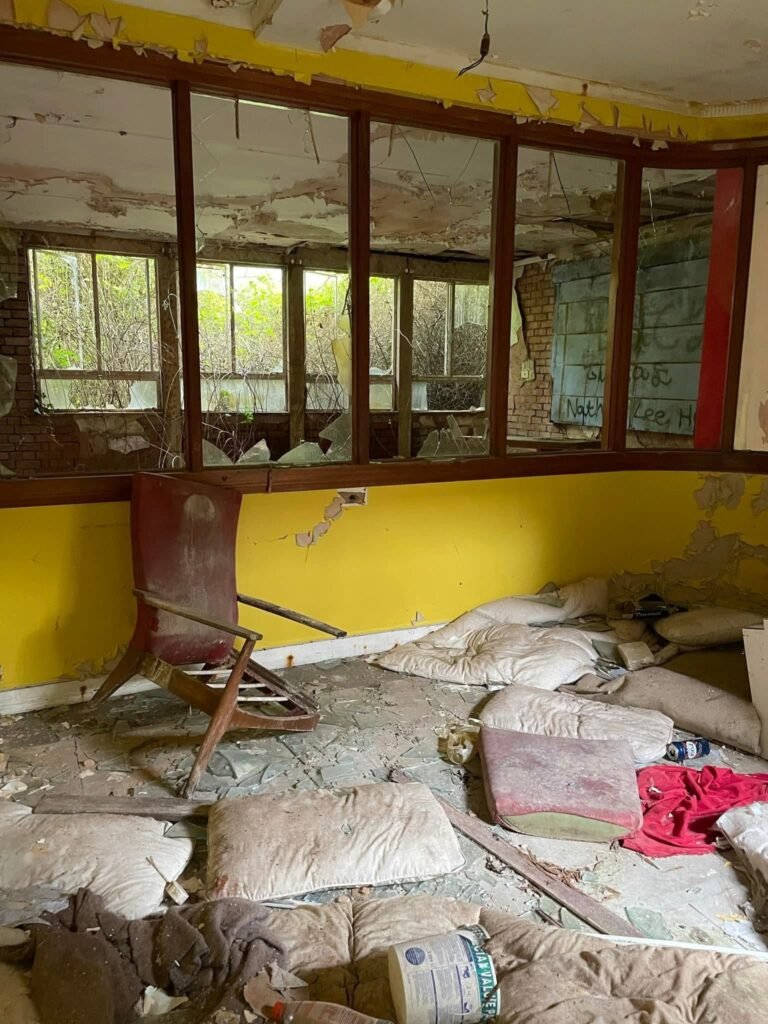
Essential Components of a Demolition Notice
Understanding the Demolition Notice
A demolition notice serves as an official communication to relevant parties regarding the planned demolition of a building. It is crucial to ensure that this notice contains all necessary information to avoid any misunderstandings or legal challenges.
Key Building Details to Include
The starting point of any demolition notice should be clear and precise identification of the building to be demolished. This includes the address and a comprehensive description of the building. Providing this information allows all parties involved to easily verify the specifics and prepare for the demolition works ahead.
Detailed Demolition Works Outline
In the demolition notice, it is essential to include a detailed outline of the intended demolition. This portion should convey the nature of the demolition works, whether they are partial or full, and any specific methods to be used. Furthermore, naming the parties involved adds another layer of clarity. This includes the owner of the property, the contractor handling the demolition, and any other relevant stakeholders, including their addresses.
Proposed Timeline and Next Steps
Finally, the demolition notice should outline the proposed timeline. This includes estimated start and completion dates for the demolition. Clear timelines help to manage expectations and allow all involved parties to prepare adequately for the process. Adhering to these guidelines will facilitate a smoother demolition undertaking.
Confirming Exemptions for Your Project
Before submitting your project for council approval, it is important to confirm whether your project is exempt from Section 80 requirements. This is particularly relevant for small structures like sheds or greenhouses, which typically do not require a formal notice. Additionally, demolition projects resulting from a demolition order may also fall under these exemptions.
Why Exemptions Matter
Understanding the exemptions can save you time and resources. If your project qualifies as exempt, you can proceed without the lengthy approval processes associated with larger projects. This means fewer delays and a more efficient pathway to beginning your construction or demolition work.
Awaiting Council Response
Once you have submitted your notice to the council, it is essential to be patient. The typical response time can take up to six weeks. During this period, the council will review your submission to ensure compliance with local regulations and requirements. It is advisable to use this time to prepare for the next steps in your project, should approval be granted.
Understanding the Submission Process
When you need to submit a contact regarding a building or planning issue, it’s essential to reach out to the local council that governs the area where the structure is located. Each London borough council has its own unique submission process, and being familiar with these requirements can help streamline your inquiry.
Finding the Right Borough Council
To find the appropriate borough council, determine the location of the building in question. Utilise resources such as local government websites or community boards that provide comprehensive information. Once you identify the correct council, explore their official site for specific submission guidelines and contact information.
Gathering Necessary Information
Before making contact, gather all relevant information needed for your submission. This may include the address of the building, nature of your inquiry, and any associated documentation. Having these details ready will facilitate a smoother communication process with the borough council, ensuring that your concerns are addressed efficiently.
In summary, understanding how to submit a contact to your local London borough council is crucial for effective engagement regarding local issues. Always consult the specific council’s guidelines for their submission processes and requirements to enhance your chances of a timely response.
Cost Variations by Borough
The cost for a Section 80 demolition notice can vary significantly across the London boroughs. Generally, the fees range from approximately £310 to £661, depending largely on the complexity of the demolition project. For simpler demolitions, the fees tend to be on the lower end of the spectrum. However, for complex demolitions, particularly those involving buildings over three storeys high or located near sensitive areas, fees can exceed the £661 mark.
Factors Influencing the Fee
Several factors can influence the overall cost of a Section 80 demolition notice. The complexity of the demolition, the logistical considerations of the site, and specific local council regulations all play a role. Moreover, if a method statement is required, this may result in additional costs. It is advisable for property owners to check with their respective borough councils for the precise fee structure and any additional requirements related to their specific demolition projects.

Planning and Legal Requirements
Understanding demolition permissions in London is a crucial step for any construction project. Whether you’re located in Barking and Dagenham, Barnet, or Westminster, it is essential to navigate local regulations effectively.

Section 80 Demolition Notice
This notice must be submitted at least six weeks prior to the planned demolition work. It ensures that the local authorities are aware of the upcoming dismantling and can assess its implications on the surrounding area.

Unsafe Building Demolition S79
Failure to comply with these requirements can lead to significant consequences, including the local council undertaking the necessary work themselves. In such scenarios, property owners may find themselves liable for the costs incurred
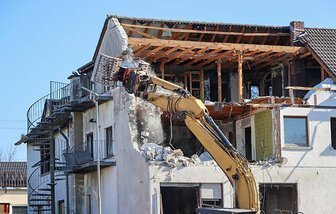
House Demolition Costs
Several factors contribute to the final quote for demolition projects. Primarily, the size of the property plays a crucial role. Larger homes often necessitate more resources and labor, leading to higher costs.

Pre-Demolition Surveys
A demolition survey is a crucial inspection that takes place prior to the demolition or substantial refurbishment of a building. Its primary goal is to locate and identify any asbestos-containing materials (ACMs) present within the structure.
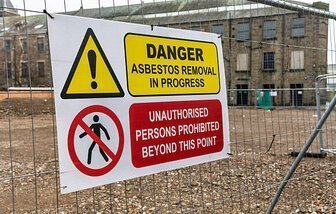
Building Demolition Costs
When budgeting for demolition, it’s vital to factor in additional expenses that may arise. Costs related to asbestos removal, which can be a significant concern in older buildings, must be included.
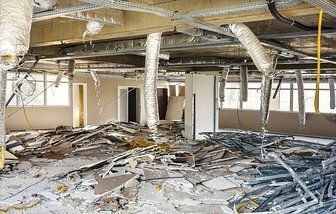
Strip-Out Demolition Costs in London
Strip-out demolition is a crucial step in the renovation process. It involves the careful removal of fixtures and finishes from a building, preparing it for further construction
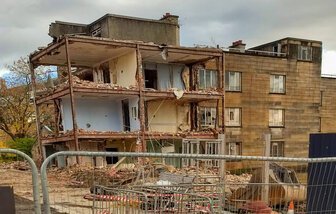
Pre-Demolition Process
Discover the essential steps involved in the demolition process in London. Understand the pre-demolition requirements, including the need for a survey to identify hazardous materials
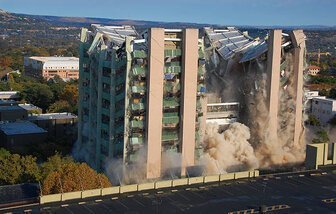
Demolition Methods
Demolition in London is a complex task that requires a variety of methods tailored to the specific needs of urban environments. The techniques used can vary widely, primarily influenced by the type of structure and its surrounding area.
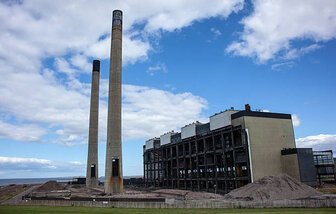
When do the CDM Regulations apply?
The Construction (Design and Management) Regulations 2015 (CDM 2015) are vital for ensuring health and safety in demolition projects across London. These regulations impose legal duties
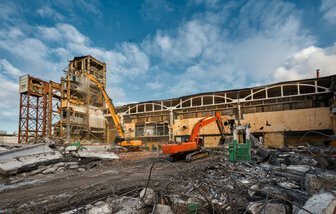
Managing Asbestos In Demolition
Understanding asbestos management is crucial for safe demolition projects in London. This involves a four-step process: surveying, notification, removal, and disposal of asbestos-containing materials (ACMs). Compliance with these regulations
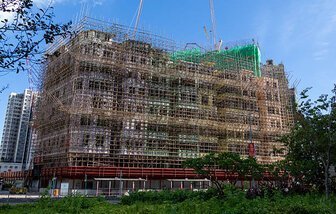
Managing Waste In Demolition
Explore the critical aspects of demolition waste management, focusing on the assessment, segregation, processing, and responsible disposal of materials generated during demolition projects. Learn how to maximize recycling and reuse
Ready to start your project?
Let's Work Together
If you’re looking to initiate a project, you’re in the right place. To get started, please complete the form provided below. Share your project details, and our dedicated team will review your requirements promptly. Our goal is to offer tailored solutions that cater specifically to your needs.
Once we receive your submission, you will receive a confirmation email. We encourage you to check all your email boxes to ensure you don’t miss our response. Our team is committed to promptly reviewing your project details, whether it involves a small-scale endeavor or a large-scale development.
Direct Submissions for Faster Quotes
If you already have a project in mind and would like to receive a direct price quote, please feel free to send us your project documents and any relevant photographs at projects@completeuk.uk. We will meticulously evaluate these documents and provide you with a competitive quote along with a clear timelines for the entire process—from inception to completion.